

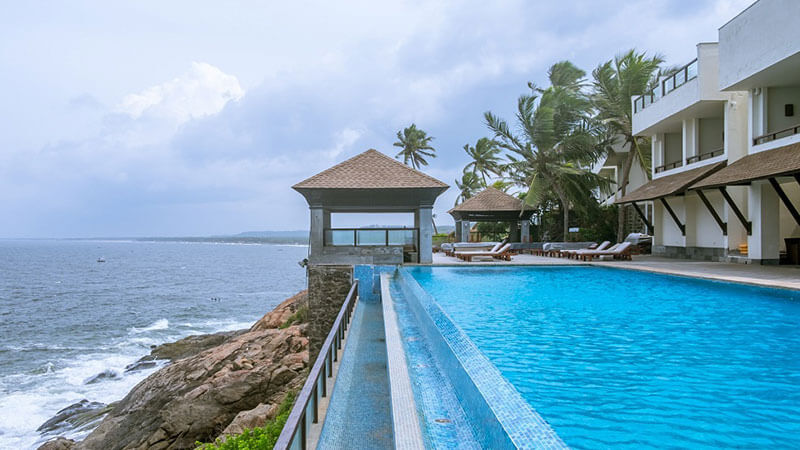
A premier reef getaway does not require hours spent idling on a transfer boat or waking before dawn to catch a dive charter. The gold standard of oceanfront travel is the house reef: an expansive, thriving coral ecosystem located mere steps from your private terrace or powder-soft sand beach. At these select destinations, entering a vibrant underwater universe requires nothing more than strapping on a mask, slipping into a pair of fins, and wading straight into warm, crystal-clear water.
When evaluating destinations where marine biodiversity meets top-tier luxury, geography plays a decisive role. The finest coral resorts sit adjacent to drop-offs, marine reserves, and oceanic channels that bring continuous nutrient flow. This geographic advantage keeps the hard corals flourishing, attracts pelagic species, and provides calm, shallow lagoons suitable for relaxed swimming. Whether you want to drift along sheer vertical walls or hover over shallow coral gardens filled with macro life, these world-class beach resorts deliver immediate, unrestricted reef access straight from the shore.
Wakatobi Dive Resort, Southeast Sulawesi, Indonesia
Tucked away in a remote corner of the Banda Sea, Wakatobi Dive Resort provides an unmatched underwater setting that sits right in the epicenter of the Coral Triangle. This eco-luxury destination sits within a privately funded marine sanctuary, ensuring that human interference remains strictly controlled and marine biomass stays extraordinarily dense.
The house reef at Wakatobi begins in water barely knee-deep and extends outward across a sunlit seagrass flat before plunging dramatically down a sheer limestone drop-off. Snorkelers and divers can explore this wall day or night without booking a vessel.
Key attributes of the Wakatobi house reef:
-
The drop-off plunges into deep blue water just sixty yards from the main beach jetty, offering immediate vertical wall exploration.
-
Over four hundred hard and soft coral species create dense formations along the edge, hosting pygmy seahorses, blue-ringed octopuses, and vibrant nudibranchs.
-
Gentle prevailing currents allow for effortless drift snorkeling along the reef face, where water taxi tenders continuously monitor swimmers to offer an effortless ride back to shore.
-
Marine life encounters are exceptionally diverse, featuring frequent sightings of resident green sea turtles, giant clams, schooling bumphead parrotfish, and swirling clouds of anthias.
The resort matches this marine environment with hand-crafted beach villas, exceptional culinary programs, and dedicated marine biology staff who provide detailed briefings on reef dynamics before guests enter the water.
Baros Maldives, North Male Atoll, Maldives
While hundreds of private island resorts dot the Maldivian atolls, relatively few feature a 360-degree fringing reef that sits this close to the dry land. Baros Maldives has spent decades protecting and cultivating its immediate marine ecosystem, earning an international reputation as one of the premier house reefs in the Indian Ocean.
The reef encircles the entire private island, running roughly fifteen to thirty meters from the shoreline. Guests residing in overwater villas can step down their private wooden staircases and find themselves immediately swimming along rich coral plateaus.
Notable features that define the Baros marine experience:
-
The shallow coral shelf offers calm, sheltered waters for novice snorkelers before transitioning into a distinct drop-off where pelagics cruise.
-
The resort features an active marine center with resident biologists who oversee coral propagation lines and lead guided night-snorkeling journeys under ultraviolet light.
-
Blacktip reef sharks, hawksbill sea turtles, and large shoals of oriental sweetlips patrol the perimeter throughout the day.
-
Several designated boat-free zones surround the island perimeter, giving swimmers safety and peace of mind across hundreds of yards of uninterrupted coral coverage.
Beyond the water, the boutique resort limits total villa count to maintain exclusivity, offering high-end dining, open-air spa pavilions, and an intimate atmosphere tailored for travelers prioritizing privacy and pristine waters.
Misool Resort, Raja Ampat, Indonesia
Located in an uninhabited archipelago of southern Raja Ampat, Misool Resort is nestled on a private island inside an expansive 300,000-acre marine protected area. The conservation history here is legendary: the owners established a complete no-take zone that transformed former shark-finning grounds into one of the most biodiverse marine environments on Earth.
Accessing the reef from Misool is instantaneous. The resort’s overwater cottages and northern beach open onto a turquoise lagoon packed with coral bommies, shallow plateaus, and dramatic undersea swim-throughs.
What makes Misool’s shore access world-class:
-
The lagoon right beneath the water villas serves as a natural nursery for juvenile blacktip reef sharks, which cruise through the shallows across the white sand.
-
Visibility routinely averages between fifty and eighty feet, highlighting towering sea fans, soft corals in saturated pastels, and massive brain coral heads.
-
The dive center operates a dedicated house reef pier, permitting self-guided buddy pairs and snorkelers to explore the wall systems at their own pace from morning to night.
-
Frequent visitors to the house reef include giant oceanic manta rays, mobula rays, wobbegong sharks, and expansive bait balls hunted by trevally and jacks.
Accommodation at Misool uses locally sourced, reclaimed hardwoods, and the footprint of the entire property remains completely integrated into the surrounding limestone karst formations and primary jungle.
Lady Elliot Island Eco Resort, Great Barrier Reef, Australia
For those seeking unvarnished natural wonders directly on Australia’s Great Barrier Reef, Lady Elliot Island is unrivaled. Located at the southern tip of the reef within a highly protected green zone, this coral cay offers conditions where the reef forms the island itself.
Guests can walk out of their low-key eco-cabins, cross a narrow band of crushed coral sand, and plunge directly into lagoons bustling with megafauna. Because Lady Elliot Island sits near the continental shelf, water clarity remains high throughout the year.
Highlights of exploring Lady Elliot Island from the beach:
-
The western side features the Lighthouse Bombie and coral gardens, accessible directly from the beach at high tide for encounters with resident manta rays.
-
The eastern lagoon provides a completely enclosed, calm environment where beginner snorkelers can drift over sprawling staghorn and table corals alongside nesting turtles.
-
The island hosts significant populations of loggerhead, green, and hawksbill turtles that graze undisturbed on the bottom flora just yards from bathers.
-
Leopard sharks, harmless reef sharks, and over a thousand documented fish species routinely inhabit the shallows surrounding the resort perimeter.
The resort prioritizes ecological conservation over lavish excess, operating largely on solar energy, enforcing zero-waste-to-landfill policies, and hosting active research stations that visitors can tour between swims.
Buddy Dive Resort, Bonaire, Dutch Caribbean
Bonaire has long been celebrated as the shore-diving capital of the world, and Buddy Dive Resort is the spiritual center of that reputation. While many travelers rent pickup trucks to explore the island’s marked shore sites, Buddy Dive features one of the most prolific and accessible house reefs along the western coast.
The entry point is engineered specifically for ocean lovers. Guests utilize a dedicated dock and dive stairs that drop straight into twenty feet of calm, current-free Caribbean water, with immediate access to a sloping coral drop-off.
Distinguishing features of the Buddy Dive house reef:
-
The reef drops gradually down to a sandy plateau at one hundred feet, allowing divers of every certification level to plan profiles with absolute safety.
-
Macro subjects are exceptional, with frequent sightings of longsnout seahorses, frogfish camouflaged among tube sponges, and cryptic cleaner shrimp.
-
Tarpon frequent the shallows under the dive dock, often following night divers to hunt in the beams of underwater torches.
-
The resort maintains an extensive offshore coral restoration nursery where guests can learn restoration techniques and observe elkhorn and staghorn coral fragments thriving on hanging trees.
The atmosphere is distinctly diver-centric, offering spacious apartments, fully equipped rental vehicles, drive-through cylinder filling stations, and oceanside dining overlooking the calm Caribbean Sea.
What Sets a Premier House Reef Resort Apart
Not every beach with clear water qualifies as a premier reef destination. Several crucial environmental and logistical factors separate an ordinary coastal hotel from a truly world-class reef resort:
-
Topographical Proximity: Top resorts sit where the reef crest and drop-off lie within a two to five minute swim from dry land, minimizing surface kick time over dead rubble.
-
Effective Marine Protection: Properties situated inside designated no-take zones or marine reserves exhibit drastically higher fish abundance, bolder wildlife behavior, and healthier hard corals.
-
Managed Access Infrastructure: Specialized jetties, cleared sandy channels, and tender recovery services prevent guests from walking on living coral heads while entering or exiting the water.
-
On-Site Conservation Leadership: Resorts that employ full-time marine biologists, operate restoration nurseries, and provide pre-snorkel educational briefings display healthier reef ecosystems year over year.
Choosing an accommodation that combines direct reef access with strict conservation principles ensures an unforgettable marine journey right outside your door, all while supporting the stewardship of delicate aquatic habitats worldwide.
Frequently Asked Questions
What safety protocols should guests follow when swimming across an active reef drop-off?
Swimmers should monitor changing tide levels and lateral currents, which tend to accelerate near the outer edge of a reef barrier. Always confirm entry and exit channels marked by the resort to prevent waves from pushing you against shallow coral shelves. Wearing bright surface-marker buoys or snorkeling vests helps resort water taxis, dive boats, and shore watchmen identify your position when swimming outside shallow lagoon zones.
How does the lunar cycle affect shore access to shallow house reefs?
The moon dictates tidal swings, producing spring tides with significant water movement and neap tides with minimal variance. During extreme low spring tides, water over the inner reef flat can drop to only a few inches, making the reef impassable without scraping coral. Planning long snorkeling sessions around high slack tide ensures maximum clearance, optimal water depth, and calm surface conditions.
Can travelers with zero scuba certification take full advantage of a house reef?
Yes, most world-class house reefs feature shallow inner coral gardens starting in two to six feet of water, which are easily explored using a standard mask, snorkel, and fins. High-end resorts also provide private snorkel guides, life vests, and underwater photography assistance for non-divers who want to observe turtles, rays, and schooling fish comfortably.
What luggage items are crucial for vacations focused on self-guided shore snorkeling?
Pack your own well-fitting mask and silicone snorkel to avoid rental leaks. High-dexterity neoprene booties are necessary if you need to walk over coarse coral rubble to reach designated launch piers. A long-sleeve UPF fifty rash guard or thin exposure suit prevents sunburn without relying on chemical sunscreens, while simultaneously guarding against stinging hydroids or jellyfish in open water.
What should a guest do if they accidentally brush against living coral during a swim?
Thoroughly flush the affected skin immediately with fresh water and mild soap upon exiting the sea. Coral cuts frequently leave behind tiny calcium carbonate fragments and microscopic biological matter that can prompt rapid infection. Apply an antiseptic or a diluted white vinegar solution to neutralize stinging nematocysts, keep the wound dry, and avoid petroleum-based ointments until the skin clears.
Are children allowed to snorkel safely on outer reef walls at these resorts?
Most luxury reef resorts permit children to snorkel, provided they wear properly fitted flotation vests and swim under adult supervision within marked lagoon boundaries. Many properties require younger guests to complete an in-water orientation or swim accompanied by a resort guide before heading to the deeper outer wall, where open-ocean swells and steep drop-offs can be disorienting.

Comments are closed.