

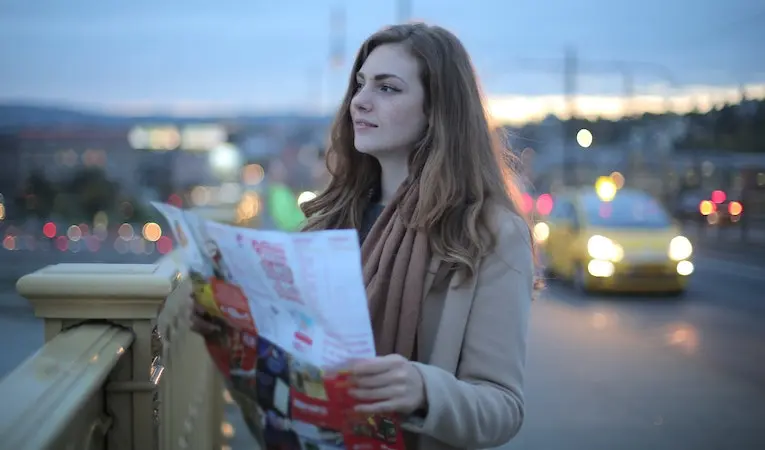
Travel is celebrated as an enriching pursuit filled with adventure, cultural discovery, and personal growth. Travel brochures and online highlight reels depict seamless departures, golden hour arrivals, and relaxed smiles. Yet for millions of people, preparing for an upcoming trip triggers a tight chest, restless nights, and a gnawing sense of impending doom. Travel anxiety is a widespread psychological response to the unknown, disruption of routine, and loss of familiar control.
Experiencing anxiety around travel does not make you weak, incapable, or unsuited for adventure. The human brain is naturally wired to seek security within familiar environments where hazards are predictable and daily rhythms are consistent. Stepping out of your home environment, navigating crowded transit hubs, and adjusting to foreign surroundings can easily overwhelm a sensitive nervous system.
The goal of overcoming travel anxiety is not to eradicate every shred of nervousness. Rather, it is about building reliable mental frameworks, pragmatic routines, and emotional grounding tools that keep anxiety from running the trip. With the right strategies, you can dial down anticipatory dread and reclaim the excitement of exploring new horizons.
Understanding the Roots of Travel Anxiety
Anxiety is an anticipatory reaction to perceived future threats. When looking at travel through an evolutionary lens, your body interprets unfamiliar spaces, strange languages, and shifting logistics as situations that require heightened vigilance.
Common triggers include:
-
Fear of losing control: Leaving home means placing your schedule in the hands of airline crews, train conductors, traffic conditions, and foreign hospitality workers.
-
Separation anxiety: Physical distance from trusted friends, family, familiar doctors, and comfortable personal belongings can prompt feelings of isolation.
-
Sensory overload: Airports, railway terminals, foreign city centers, and dense traffic flood the senses with sudden loud noises, crowded corridors, and unexpected spatial demands.
-
Catastrophizing the unexpected: Intrusive thoughts about missing flights, losing passports, contracting a foodborne illness, or encountering a language barrier can easily spiral into worst-case scenarios.
Recognizing your specific triggers removes their mystery. When you see your anxiety as an overactive internal security alarm rather than an objective prophecy, you can begin managing it systematically.
Pre-Trip Planning to Minimize Mental Overload
Much of travel anxiety peaks in the days and weeks leading up to departure. Thorough, structured preparation works as a calming mechanism, offering concrete reassurance to an unsettled mind.
Build an Accessible Offline Digital Safety Net
A common fear among anxious travelers is arriving at a destination and losing phone connectivity or access to critical information. You can counter this ahead of time with redundant digital systems:
-
Download offline geographic maps of your destination cities via navigational apps so you can find your way without cellular data.
-
Take digital screenshots or save offline PDF copies of your flight tickets, hotel reservations, passport identification pages, travel insurance certificates, and essential emergency contacts.
-
Store these documents in a dedicated folder on your smartphone home screen and keep a physical printed copy inside a ziplock pouch in your personal carry-on bag.
Curate the First Twenty-Four Hours
Attempting to plan an entire multi-week itinerary down to the minute will spike your anxiety. Instead, focus your energy on the first twenty-four hours after arrival.
Know precisely how you will leave the airport or train station, whether by a pre-booked car, an official taxi rank, or a specific express rail line. Reserve your accommodation for the first night in advance, review the check-in process, and identify two or three nearby cafes or grocery stores where you can pick up a light meal. Having a secure landing spot reduces arrival shock and lets your nervous system adjust safely to the new environment.
Assemble a Targeted Sensory Comfort Kit
Your carry-on baggage should function as a portable sanctuary during chaotic transit days. Pack deliberate comfort items that ground your senses:
-
Noise-canceling headphones or high-grade silicone earplugs to block out crying infants, jet engine roar, and mechanical noise.
-
A soft, familiar travel wrap or lightweight jacket that provides warmth on chilly airplanes and gives a sense of physical security.
-
Peppermint or ginger drops to ease stomach nausea, dry mouth, or sudden tension headaches.
-
An eye mask to shut out harsh overhead fluorescent cabin lighting during delays or layovers.
Calming Techniques for Transit and Departure Days
Departure day is often when physical anxiety symptoms flare the strongest: a racing heart, shallow breathing, sweaty palms, and intestinal distress. Having practiced calming tools ready helps interrupt the adrenaline cycle before it turns into a panic attack.
Engage the Parasympathetic Nervous System
When anxiety strikes, breathing patterns turn shallow and rapid, tricking the brain into believing you are running from a physical predator. You can interrupt this feedback loop by deliberately manipulating your breath.
Use the box breathing technique: inhale slowly through your nose for a count of four seconds, hold your breath gently for four seconds, exhale smoothly through your mouth for four seconds, and hold the empty lungs for four seconds. Repeating this cycle for three to five minutes activates the vagus nerve, slows your heart rate, and signals to your body that you are physically safe.
Practice Sensory Grounding
If you feel detached, dizzy, or overwhelmed inside a crowded airport terminal or bustling train platform, anchor yourself to your immediate surroundings using the 5-4-3-2-1 grounding method.
Mentally acknowledge:
-
Five distinct things you can see around you, like a departure screen or a blue suitcase.
-
Four things you can physically touch, like the textured fabric of your coat or cool luggage handles.
-
Three things you can hear, like the hum of an air vent or footsteps on tile.
-
Two things you can smell, like fresh coffee from a vendor or ambient rain outside.
-
One thing you can taste, like a sip of clean water or a mint.
This exercise forces the prefrontal cortex back into the present moment, dragging attention away from runaway imaginary disasters.
Managing Anxiety Once You Reach Your Destination
Arriving in a foreign city or rural getaway can trigger an unexpected dip in mood or a sudden wave of homesickness. Navigating a new space requires physical energy, and post-travel exhaustion often amplifies negative emotions.
Abandon the Tourist Pressure Trap
One major source of destination anxiety is the self-imposed pressure to see everything, document every site, and have non-stop fun. This expectation creates burnout.
Give yourself full permission to spend your first afternoon resting in your room, taking a warm shower, unpacking your clothes, and ordering simple room service or takeout. You do not need to head to a crowded museum or ancient ruin immediately upon landing. Acclimatize slowly, adjust to the local time zone, and ease into your surroundings at your own pace.
Establish a Daily Anchor Routine
When you travel, your familiar home routines evaporate. Rebuilding small micro-routines in your accommodation gives your brain a comforting sense of predictability:
-
Start every morning with the same ten-minute stretching routine or brief mindfulness meditation before looking at your phone.
-
Sit down for a quiet coffee or tea at the exact same cafe each morning, watching the local neighborhood wake up.
-
Write a brief journal entry each evening, listing three pleasant moments from the day to reinforce positive mental memory loops.
Navigate Culture Shock with Self-Compassion
Experiencing culture shock, language confusion, or public awkwardness is a normal part of world travel. If you take a wrong subway train, struggle to pronounce a street name, or feel flustered ordering at a local market, remember that mistakes do not equal failure.
Local residents are generally patient with polite, humble travelers. A friendly smile, a basic attempt at local greetings like hello and thank you, and a gentle attitude will help resolve almost any daily misunderstanding.
Building Lasting Confidence Through Small Successes
Overcoming travel anxiety is an incremental process. Each time you step onto a plane despite your racing thoughts, navigate a foreign train station, or successfully communicate your order to a restaurant server who speaks another language, you lay down new neural pathways.
You gradually prove to yourself that discomfort is tolerable and that you are capable of navigating uncertainty. Travel anxiety may still show up from time to time as a quiet whisper, but it no longer holds the power to lock you inside your home. Step forward, accept the nervous flutter as an indicator that you are pushing your boundaries, and claim the rich world waiting for you.
Frequently Asked Questions
Is it normal to feel sudden intense anxiety right after booking non-refundable flights?
Yes, this is a very common psychological reaction called buyer’s remorse combined with anticipatory vulnerability. Booking the ticket locks you into a future event, stripping away the comfort of theoretical planning. Acknowledge this sudden wave of anxiety as your brain’s natural response to making a firm commitment, and give yourself a couple of days before reassessing your emotions.
How should a traveler manage food-related anxiety and fear of getting sick abroad?
Begin by dining at established restaurants with visible foot traffic and transparent kitchen practices rather than unfamiliar street stalls on day one. Stick to thoroughly cooked, piping hot dishes, drink sealed bottled or filtered water, avoid raw salads washed in tap water, and carry a basic digestive first-aid kit stocked with electrolyte packets, antacids, and anti-diarrheal medication to give you peace of mind.
What can I do if I experience a full panic attack in the middle of an airplane flight?
Focus on stabilizing your body rather than fighting the panic sensation. Alert a flight attendant discreetly; they are professionally trained to assist anxious passengers and can bring you ice, water, and cool towels. Apply an ice cube or cold damp cloth to the back of your neck, practice box breathing, keep your noise-canceling headphones on with calming instrumental music, and remind yourself that panic attacks are self-limiting and will subside within ten to twenty minutes.
Should I travel completely alone if I have a diagnosed anxiety disorder?
Traveling solo with anxiety is entirely possible, but starting with small, manageable trips is wise. Consider taking a short weekend trip to a nearby city where you speak the primary language before booking a multi-week overseas expedition. Alternatively, choose a close, compassionate friend who understands your mental health triggers and will not pressure you when you need quiet downtime.
How can I explain my travel anxiety to travel companions who do not experience it?
Communicate openly and set clear boundaries before the trip begins. Explain that your anxiety is a physical response that occasionally requires quiet breaks and a slower pace. Emphasize that taking a solitary afternoon to rest in the hotel does not mean you are unhappy with the trip or their company, but rather that you are managing your energy so you can enjoy the rest of the journey together.
Can regular exercise or physical movement reduce anxiety while on the road?
Yes, exercise metabolizes the excess cortisol and adrenaline that fuel anxiety. Incorporating a brisk morning walk, thirty minutes of bodyweight exercises in your hotel room, or swimming laps in the pool can reset your nervous system. Physical exertion also promotes healthy physical fatigue, making it much easier to fall asleep in unfamiliar hotel beds.
How does alcohol consumption affect travel anxiety during flights and vacations?
While many travelers turn to airport bars to take the edge off pre-flight nerves, alcohol is a major physiological trigger for secondary anxiety. Alcohol dehydrates the body rapidly in dry airplane cabins, raises resting heart rates, and disrupts deep rapid eye movement sleep. As the sedative effects wear off, rebound anxiety often sets in, leaving you feeling more vulnerable and physically unsettled than before.

Comments are closed.