

Stepping away from home for business or leisure brings welcome disruption to daily monotony. New cities offer unfamiliar architecture, foreign languages, and diverse culinary landscapes. Yet this break in predictability often claims an unintended casualty: personal wellness. Weeks or months of consistent gym sessions, balanced meal preparation, and strict sleep hygiene can unravel within days of boarding a flight.
Maintaining physical fitness and nutritional discipline while traveling does not require packing heavy weights, turning down celebratory meals, or spending entire mornings sequestered in airless basement gyms. True wellness on the road is grounded in flexibility, practical adaptation, and understanding minimum effective dose training. By altering your mindset from rigid perfectionism to sustainable consistency, you can safeguard your strength, support your cardiovascular health, and arrive back home feeling energized rather than depleted.
Escaping the All-or-Nothing Trap
The biggest barrier to staying fit while traveling is psychological. Many individuals operate on a binary framework: either they follow their domestic regimen to the letter or abandon physical training entirely until they return home.
A realistic traveling routine acknowledges practical constraints:
-
Embrace the minimum effective dose: A focused twenty-minute workout performed consistently across a trip maintains baseline strength and muscle mass far better than waiting for an elusive two-hour window that never appears.
-
Redefine what counts as physical activity: Wandering through a sprawling art museum, climbing historical bell towers, or hiking a rocky perimeter trail expends significant energy. Incidental movement, known as non-exercise activity thermogenesis, makes up a major portion of total daily caloric burn.
-
Treat wellness as an energy driver: Working out while traveling is not a chore to burn off restaurant indulgence. It stimulates blood circulation after long flights, flushes metabolic waste, combats lethargy, and sharpens mental focus for work or sightseeing.
Portable Training: Building Workouts Without a Gym
Waiting on hotel gyms to meet your exact fitness standards leads to disappointment. Many properties provide little more than an unbalanced elliptical machine and a rack of mismatched light dumbbells. Relying on minimal, portable equipment and bodyweight movements ensures complete self-reliance anywhere in the world.
The Power of Resistance Bands
Lightweight looped and handled resistance bands pack flat, weigh mere ounces, and tuck into the smallest carry-on compartment. Unlike free weights, resistance bands create continuous muscle tension through the entire range of motion, providing joint-friendly training that matches various strength levels.
-
Upper Body Movements: Banded chest presses, overhead shoulder presses, bent-over rows, and face pulls maintain upper posture after hours hunched over airline seats or working on laptops.
-
Lower Body Movements: Placing mini-loop bands around the knees or ankles for lateral monster walks, glute bridges, and banded squats activates stabilizer muscles that become dormant during long periods of seated transit.
Calisthenics and Hotel Room Circuits
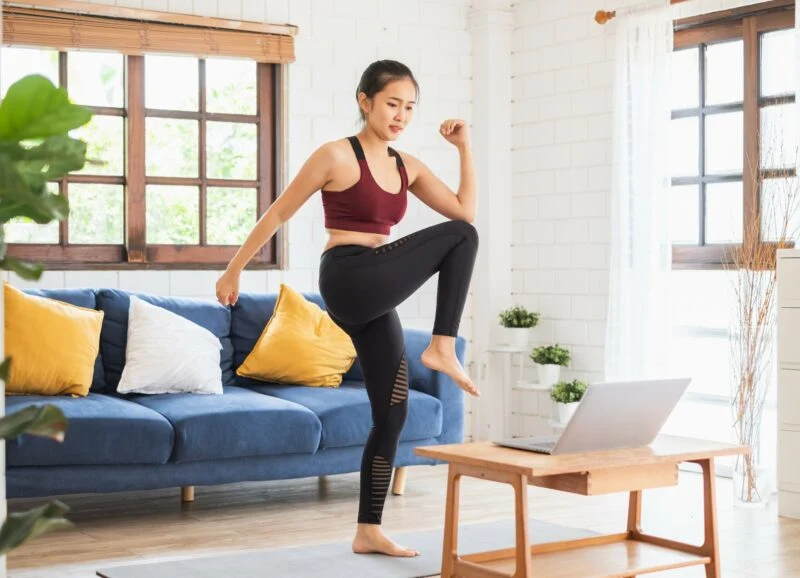
Bodyweight calisthenics require zero equipment and can be executed within a compact space between a hotel bed and desk. By manipulating tempo, pause intervals, and leverage, standard movements can challenge seasoned athletes.
A high-yield travel circuit can combine:
-
Lower Body Volume: Deep Bulgarian split squats using a hotel chair or luggage bench for elevation, alternating reverse lunges, and paused air squats.
-
Upper Body Pushing: Standard floor push-ups, elevated pike push-ups to target the shoulders, and slow eccentric decline push-ups with feet rested on a bed frame.
-
Core Stability: Slow bicycle crunches, side planks, and bird-dogs to stabilize the lumbar spine and counteract prolonged periods of sitting.
Perform each exercise consecutively for forty-five seconds of work followed by fifteen seconds of rest. Completing four rounds delivers a comprehensive, sweat-inducing workout in under twenty-five minutes without requiring you to step outside your room.
Nutritional Strategy: Savoring Culture Without Overindulging
Food represents one of the most rewarding components of travel. Demanding boiled chicken breast and plain steamed greens in Rome, Mexico City, or Bangkok misses the point of cultural immersion. Balancing nutritional discipline on the road comes down to prioritization and portion awareness rather than complete deprivation.
Anchor with Protein and Hydration
Everyday travel schedules disrupt normal feeding times, leading to unplanned snacking on refined carbohydrates at airports, train stations, and convenience stores. You can stabilize energy and blood sugar by anchoring meals around two priorities:
-
Target lean protein first: Make a conscious effort to consume a high-quality protein source during your primary meals, such as grilled fish, eggs, poultry, beans, or tofu. Protein supports muscle preservation, provides sustained satiety, and blunts rapid spikes in appetite.
-
Hydrate aggressively: Dehydration is rampant during travel due to low relative humidity in pressurized aircraft cabins and hours spent on hot sidewalks. Mild dehydration masquerades as hunger, triggers brain fog, and slows digestive motility. Carry a durable, refillable water bottle and drink water consistently before every meal.
The One-Feast Daily Principle
Sampling authentic local gastronomy does not mean every meal must be an elaborate multi-course spread. Adopt a balanced approach across each day:
-
Breakfast: Opt for simple items like eggs, plain Greek yogurt, black coffee, and fresh whole fruit.
-
Lunch: Keep it light and functional, focusing on mixed field greens, lean meats, or a light broth-based soup to avoid the mid-afternoon energy crash.
-
Dinner: Make this your primary culinary experience. Enjoy the house-made pasta, the street tacos, the local wine, or the regional dessert without guilt, knowing your daytime intake remained controlled and nutrient-dense.
Prioritizing Sleep Hygiene Across Time Zones
No volume of training or dietary control can overcome deep sleep deprivation. Crossing time zones, adjusting to foreign mattresses, and coping with ambient traffic noise stresses the endocrine system, elevating the stress hormone cortisol and triggering cravings for calorie-dense junk foods.
-
Realign circadian rhythms quickly: Upon landing in a new time zone, adjust your watch immediately and avoid sleeping until evening, regardless of how tired you feel. Step outdoors into direct, natural morning sunlight to signal your brain that it is time to wake up, speeding up biological clock adjustment.
-
Curate a sleep environment: Ensure your hotel room is optimized for recovery. Lower the thermostat to cool nighttime levels, keep curtains tightly drawn to block outside streetlamps, and use a white noise machine or earplugs to mask hallway disruptions.
-
Limit evening stimulants: Avoid high caffeine consumption past early afternoon, and monitor evening alcohol intake. While alcohol might help you fall asleep faster, it destroys restorative rapid eye movement sleep, leaving you unrested the following morning.
Building Movement into Daily Exploration
Exercise does not need to be confined to structured gym blocks. The most rewarding way to burn energy while traveling is incorporating continuous physical movement directly into your exploration.
-
Ditch motorized ground transit: Whenever safety and schedules allow, bypass subway lines, tourist shuttle buses, and app-hailed cars in favor of walking. Foot travel exposes you to quiet alleys, architectural details, and neighborhood markets that vehicles bypass completely, easily racking up fifteen to twenty thousand daily steps.
-
Utilize local bike share systems: Many modern cities maintain docked bicycle networks. Renting a city bike offers a fun cardiovascular workout while covering wide distances across public parks, waterfront trails, and historic districts.
-
Seek out natural landmarks: Seek out local topographical challenges. Choose morning stair climbs to elevated vistas, sign up for coastal kayaking excursions, or hike up surrounding hills to view sunrise over the city.
By viewing physical fitness as a practical tool that supports your energy rather than a strict set of restrictions, you turn wellness into an asset that enriches every mile of your journey.
Frequently Asked Questions
How should I adjust my routine if I get sick with traveler digestive distress?
Pause all structured exercise immediately to conserve metabolic energy for immune defense and recovery. Prioritize oral rehydration by drinking clean water mixed with balanced oral rehydration salts containing sodium, potassium, and glucose. Reintroduce plain, easily digestible carbohydrates like white rice, dry toast, or bananas slowly once vomiting or acute nausea stops, and wait at least twenty-four to forty-eight hours after full symptom resolution before resuming light workouts.
Can bodyweight training alone maintain my muscle mass during a month-long trip?
Yes, bodyweight training can maintain muscle mass over several weeks if you train close to muscular failure and preserve daily protein intake. Incorporating challenging movements like unilateral single-leg squats, slow negative push-ups, and doorframe pull variations provides sufficient mechanical tension to prevent muscle atrophy until you return to your regular weights.
What is the best way to handle continuous business dinners without derailing my goals?
Review restaurant menus ahead of time to select your meal before arriving, which prevents impulsive ordering driven by peer choices or hunger. Drink a large glass of water before sitting down, choose grilled, roasted, or steamed preparations over cream-based or fried dishes, and focus on engaging in conversations rather than mindless grazing on bread baskets or shared appetizers.
How do I prevent lower back stiffness and leg swelling on long-haul flights?
Stand up and walk down the airplane aisles for several minutes every two hours to encourage venous blood return and reduce swelling. Perform seated calf raises, ankle circles, and gentle seated spinal twists in your chair, and consider wearing graduated compression socks to prevent fluid pooling in the lower extremities.
Is it safe to run outdoors in a completely unfamiliar international city?
Running outdoors in new cities requires upfront safety planning. Consult with front desk staff or local running clubs regarding safe, well-lit pedestrian corridors and neighborhoods to avoid. Run during daylight hours, keep headphone volume low to maintain environmental awareness, carry local identification and accommodation cards, and stick to open public river paths or designated city parks.
Should I count daily calories or track macros while taking an international trip?
Weighing food or logging calories while traveling creates needless stress and detracts from cultural experiences. Rely instead on visual portion control methods: estimate a palm-sized portion of lean protein, a fist-sized portion of colorful vegetables, a cupped hand of complex carbohydrates, and a thumb-sized portion of healthy fats for regular daytime meals.
How can I maintain workout motivation when suffering from severe travel fatigue?
Lower the mental barrier to entry by committing to a simple five-minute warmup consisting of jumping jacks, arm circles, and bodyweight squats. If you still feel genuinely exhausted after five minutes, give yourself full permission to stop and rest, recognizing that your body needs sleep. Most of the time, the initial physical movement breaks sluggishness and builds momentum to finish a focused fifteen-minute session.

Comments are closed.