

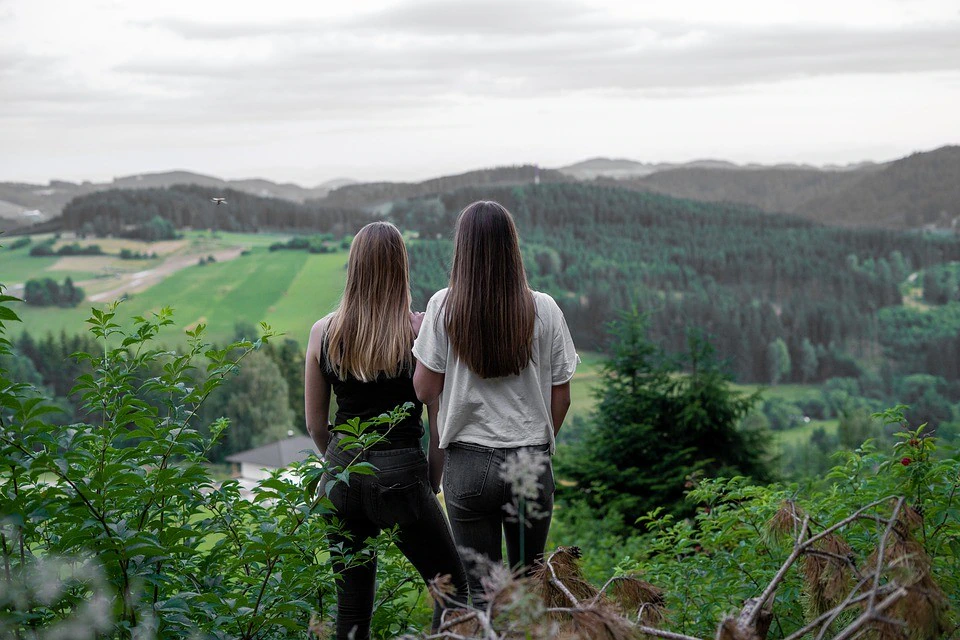
Popular national parks and world-famous vistas often promise raw wilderness, but the reality can fall short. Overcrowded viewpoints, packed boardwalks, and lines of idling tour buses easily shatter the solitude that outdoor enthusiasts crave. True communion with the natural world requires leaving behind standard tourist itineraries in favor of wilder, less accessible terrain.
Off-the-beaten-path travel is not simply about bragging rights; it is about seeking unfragmented habitats where ecological processes play out on their own terms. When you travel to places without gift shops and paved promenades, you encounter nature at its most raw and humbling. Whether your passion lies in high-altitude mountain passes, ancient primeval forests, or remote oceanic archipelagos, these exceptional destinations offer pristine beauty, genuine solitude, and profound connection.
Socotra Archipelago, Yemen
Resting in the Arabian Sea roughly two hundred miles south of the Arabian Peninsula, the island of Socotra appears as if it were plucked from an alternate evolutionary timeline. Long isolation from continental landmasses, paired with fierce summer winds and intense heat, has yielded one of the most botanically unique environments on the planet.
A massive percentage of the flora found here exists nowhere else on Earth, earning Socotra the reputation of being an open-air natural museum.
-
The iconic dragon blood tree dominates the Dixam Plateau, featuring dense, umbrella-shaped canopies designed to capture moisture from ocean fog.
-
Massive, bulbous bottle trees cling to dry limestone cliffs, blooming in vibrant shades of pink against austere rock faces.
-
Extensive white sand coastal dunes at Noged contrast against turquoise waters rich with sea turtles, dolphins, and unblemished coral systems.
-
Towering granite pinnacles of the Hajhir Mountains offer strenuous trekking routes that cross through remote valleys uninhabited by modern civilization.
Reaching Socotra requires careful logistical planning, as charter flights are limited and infrastructure is sparse. Travelers camp beneath the stars and navigate alongside local Bedouin guides, ensuring that human presence leaves minimal impact on this sensitive ecosystem.
The Darien Gap and Pacific Lowlands, Colombia
While the Darien region often makes headlines for its geopolitical challenges, the Pacific coastal edges of Choco in Colombia represent an untamed paradise for true biodiversity enthusiasts. Where the jagged Serrania del Baudo mountains plunge straight into the Pacific Ocean, you find one of the wettest, densest, and most biodiverse rainforest belts on Earth.
This coastal jungle wilderness is completely devoid of roads. Access depends entirely on small boat charters navigating ocean swells and tidal rivers.
-
Dense tropical canopies shelter hundreds of amphibian species, including vivid poison dart frogs and newly documented tree frogs.
-
Between July and November, humpback whales travel from Antarctic waters into the warm, sheltered bays of Bahia Solano and Utria National Park to nurse their calves.
-
Pristine beaches act as nesting sites for olive ridley and giant leatherback sea turtles, where nights are spent watching hatchlings make their way toward the surf.
-
Pristine freshwater rivers weave inland through primary forest, accessible only by wooden dugout canoes steered by indigenous and Afro-Colombian communities.
Accommodations in this area consist of rustic eco-lodges constructed from fallen hardwoods, operating on solar power and rainwater collection. The sensory experience of falling asleep to roaring Pacific breakers while dense jungle canopies echo behind you is unmatched.
The Altai Mountains, Mongolia
Where Russia, China, Kazakhstan, and Mongolia converge lies the Altai mountain range. This immense expanse of craggy snow-capped peaks, glacial valleys, and wind-scoured steppes stands as one of the last true wilderness frontiers of Central Asia.
The Mongolian Altai offers boundless space. It is a land where fences do not exist, and wildlife roams freely across broad altitudinal gradients.
-
Altai Tavan Bogd National Park preserves five of the highest peaks in Mongolia, crowned by the massive Potanin Glacier that stretches across twelve kilometers.
-
The region protects vital populations of endangered snow leopards, argali mountain sheep, Siberian ibex, and elusive grey wolves.
-
Crystal-clear alpine lakes like Dayan and Khoton reflect dramatic larch forests and jagged ridgelines, offering quiet spots for backcountry wilderness camping.
-
Nomadic Kazakh herders continue their ancestral traditions of eagle falconry across the valleys, maintaining an ancient, balanced lifestyle tied directly to seasonal shifts.
Exploring the Altai requires traveling in rugged four-wheel-drive vehicles or on horseback, relying on local guidance and traditional felt gers for shelter. It is an environment that demands self-sufficiency, rewarding patience with silence so deep it feels physical.
Tasmania’s Southwest Wilderness, Australia
While most visitors to Australia stick to the sunny eastern seaboard, the southwestern corner of Tasmania contains one of the largest temperate wilderness areas in the Southern Hemisphere. Enclosed within the Tasmanian Wilderness World Heritage Area, this region has no permanent human settlements and is virtually roadless.
The landscape is defined by wild buttongrass plains, ancient Huon pine forests, tannin-stained rivers, and quartzite mountain peaks scoured by relentless southern ocean storms.
-
The legendary Port Davey track and South Coast Track test long-distance backpackers with unbridged river crossings, deep mud, and dramatic sea cliffs.
-
Bathymetric oddities in Bathurst Harbour create an underwater phenomenon where dark surface tannins trap light, allowing deep-sea marine life to flourish in shallow depths.
-
Ancient temperate rainforests preserve trees that are several thousand years old, draped in deep green moss and lichens that thrive in the clean air.
-
The habitat is a critical sanctuary for the critically endangered orange-bellied parrot, along with eastern quolls, wombats, and Tasmanian pademelons.
Access to the heart of the Southwest is typically by light bush plane landing on a remote gravel strip at Melaleuca or via multi-day expedition vessels. For hikers, tackling this terrain requires carrying full rations and storm gear, ensuring complete detachment from modern noise.
Wrangell-St. Elias National Park and Preserve, Alaska
Covering over thirteen million acres, Wrangell-St. Elias is the largest national park in the United States national park system, yet it sees a tiny fraction of the visitors drawn to Yellowstone or Yosemite. Equal in area to six Yellowstone parks combined, this colossal expanse encompasses four major mountain ranges and an ocean of ice.
Much of the park is pure, untracked backcountry, bisected by only two unpaved gravel roads that skirt its perimeter.
-
Nine of the sixteen highest peaks in the United States rise here, surrounded by the massive Bagley Icefield, the largest non-polar icefield in North America.
-
Root Glacier and Kennicott Glacier offer technical ice hiking and exploration into bright turquoise moulins and crevasses.
-
Massive braided river valleys create broad natural corridors for migrating caribou herds, grizzly bears, Dall sheep, and moose.
-
Ghostly remnants of early twentieth-century copper mining at the Kennecott historic mill provide an intriguing glimpse into human attempts to tame an unforgiving wilderness.
Travelers here navigate via bush plane drop-offs on gravel bars, practicing route-finding without trails and carrying bear-resistant food canisters. The sheer scale of the landscape reduces human presence to a tiny speck against infinite scree and ice.
Essential Ethos for Remote Wilderness Exploration
Stepping off the beaten path brings an heightened ethical responsibility. Fragile environments lack the maintenance crews, trail reinforcements, and trash receptacles of commercial parks.
-
Pack out every trace of trash, including food scraps and sanitary supplies, to avoid altering animal foraging behaviors.
-
Maintain wide distances from all wildlife, using binoculars and long lenses rather than approaching for photographs.
-
Choose local outfitters, indigenous guides, and community-run conservancies to guarantee that your travel expenditures directly fund conservation and local livelihood.
-
Keep precise travel itineraries registered with local rangers or regional outposts, as rescue infrastructure in remote areas can be non-existent or hours away.
By stepping into remote corners of the globe with preparation, humility, and deep respect, you become more than a tourist. You become a quiet witness to the raw, majestic machinery of the natural world.
Frequently Asked Questions
What physical preparation is required for off-the-grid wilderness trips?
Trekking through remote terrain without maintained trails places exceptional demands on stability and endurance. Focus your training on weighted pack carries, balance exercises, and cardiovascular endurance on uneven inclines. Developing outdoor competence, such as wilderness navigation using a topographic map and compass, basic wilderness first-aid training, and field repair skills, is just as important as cardiovascular fitness.
How do travelers manage fresh water safely in undeveloped wilderness areas?
Never assume open wilderness water sources are safe to drink untreated, as natural parasites like Giardia and Cryptosporidium can be present even in clear alpine streams. Carry primary and secondary purification tools, such as a hollow-fiber membrane pump filter combined with chemical purification tablets or a compact ultraviolet purifier. In glacial environments, allow heavy glacial silt to settle in a bucket before filtering to avoid clogging delicate filter elements.
How should emergency communication be handled when cell towers do not exist?
A dedicated satellite communicator or personal locator beacon using global satellite networks is non-negotiable for remote trips. These pocket-sized devices allow two-way text messaging, real-time GPS tracking for loved ones, weather forecast updates, and emergency SOS alerts that transmit your coordinates directly to international search-and-rescue agencies. Always pack extra power banks and keep the device protected against extreme cold and moisture.
What strategies help minimize insect exposure in dense backcountry rainforests?
In wet jungle habitats, insects can transmit tropical illnesses and create persistent discomfort. Treat your outerwear, socks, and shelter mesh with permethrin before your trip to deter biting pests. Pack lightweight, tightly woven, long-sleeved nylon clothing rather than loose knits, and wear fine-mesh head nets when entering areas with heavy insect activity. Keep sleeping areas completely zipped at all times to prevent nocturnal pests from entering.
What is the most responsible way to select a wilderness expedition guide?
Look for locally owned agencies that employ residents from the destination area and demonstrate clear adherence to Leave No Trace principles. Inquire directly about their emergency evacuation procedures, guide certification credentials, group size limits, and fair-wage practices. An ethical guiding company will openly share their conservation partnerships and clearly explain how their operations minimize ecological disruption.
How should backcountry travelers pack clothing for regions with unpredictable microclimates?
The key to handling unpredictable wilderness weather is a strict three-layer technical system based on synthetics and merino wool, completely avoiding cotton. Your base layer should pull moisture away from your skin, a middle fleece or packable down jacket traps warmth, and a high-performance waterproof, breathable outer shell shields you from driving rain and wind. This modular approach allows you to adjust your temperature on the move without sweating through your clothes.

Comments are closed.