

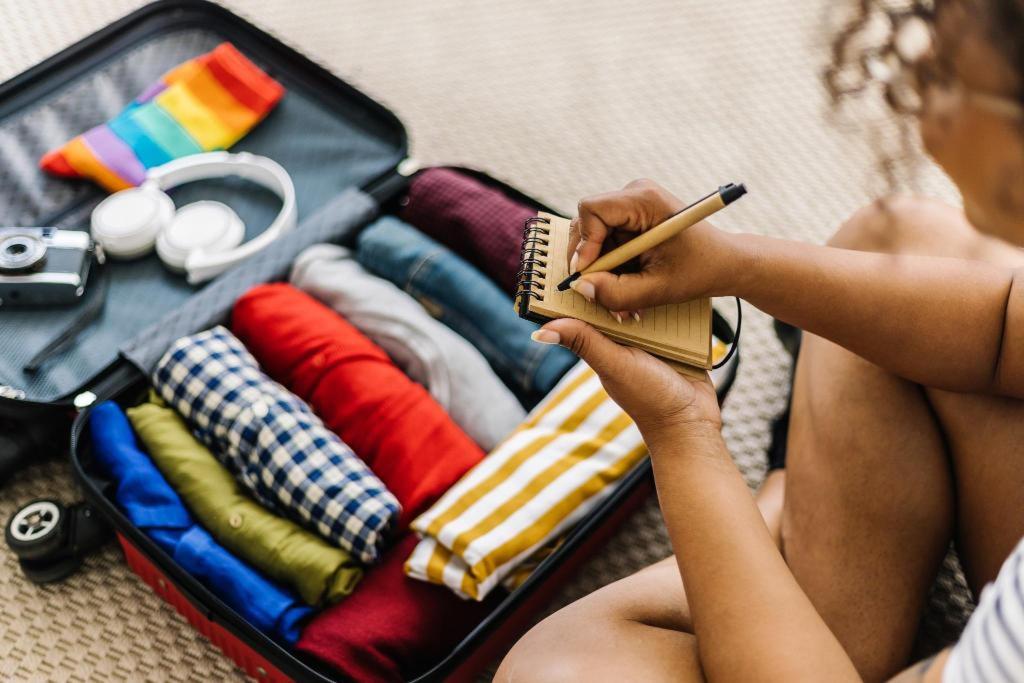
Standing in an airport terminal watching an endless parade of oversized suitcases circle an empty baggage carousel is a familiar headache for many travelers. Lost luggage, baggage fees, and the physical strain of dragging fifty pounds of gear over cobblestone streets can easily derail an otherwise great trip. Embracing minimalist travel turns this entire dynamic upside down. Traveling with a single carry-on bag is not about deprivation or wearing dingy clothes for two weeks straight. It represents a deliberate decision to prioritize ease, flexibility, and presence over the burden of excess physical belongings.
When you learn to pare down your packing list to the absolute essentials, every leg of your journey improves. You breeze through check-in desks, bypass baggage claims, navigate crowded transit systems with effortless agility, and eliminate the daily stress of deciding what to wear from an overflowing bag. The shift requires a thoughtful change in mindset, a focus on versatile wardrobe choices, and a few smart packing habits that quickly become second nature.
The Minimalist Mindset: Packing for Reality, Not Anxiety
Most people pack for an imaginary version of their trip. They pack for catastrophic weather anomalies, spontaneous black-tie galas, and an assortment of unlikely emergencies that never materialize. This anxious habit leads to heavy bags filled with items that never leave their zippers.
Minimalist packing begins with an honest assessment of your actual itinerary. You are packing for the real activities on your calendar, not the phantom scenarios born of travel anxiety.
Core principles of the minimalist travel philosophy include:
-
Packing for your daily reality rather than rare, hypothetical events.
-
Embracing the universal availability of local stores for items you can easily replace if an unexpected need arises.
-
Shifting your identity away from having a brand-new outfit for every photo toward feeling comfortable and confident in reliable, high-utility staples.
-
Viewing packing as a deliberate exercise in editing, where leaving an item behind is a deliberate choice for physical freedom on the road.
Before any item goes into your luggage, ask yourself whether leaving it at home would cause genuine distress. If the honest answer is no, set it aside.
Selecting the Right Carry-On Hardware
Your luggage sets the hard boundary for everything you take. If you choose an expandable, oversized rolling case, you will inevitably find a way to fill the empty space. Restricting yourself to a dedicated carry-on frame creates an automatic buffer against overpacking.
Wheeled Bags Versus Travel Backpacks
The debate between soft-sided travel backpacks and compact wheeled suitcases comes down to your destination and personal physical comfort.
Two-wheeled and four-wheeled spinner cases excel in modern airport terminals, train stations with elevators, and destinations with flat, paved sidewalks. They relieve stress on your shoulders and back, allowing you to glide smoothly through security lines. However, wheels and retractable handle systems eat into internal cubic volume and add several pounds of dead weight to your airline allowance.
Travel backpacks, especially those sized between thirty and forty liters, reign supreme for multi-destination trips, historical cities with steep stairs, and rough terrain. A well-designed travel backpack keeps your hands free to pull out tickets or navigate transit maps. When picking a backpack, look for stowable harness straps, a supportive hip belt, and a clamshell opening that lays completely flat like a traditional suitcase.
Choosing Durable Materials and Functional Layouts
Focus on materials that hold up against heavy use without adding unnecessary bulk. High-denier nylon weaves, such as ballistic nylon or ripstop fabrics, offer great tear resistance and water repellency while staying remarkably lightweight. Look for durable zippers that glide under tension, and opt for a clean exterior profile that will not catch on overhead compartment frames or turnstile gates.
Designing a High-Performance Travel Capsule Wardrobe
Clothing accounts for the overwhelming majority of space and weight in any suitcase. The cornerstone of carry-on success is the capsule wardrobe: a tight collection of complementary garments where nearly every top matches nearly every bottom.
Establishing a Cohesive Color Palette
To maximize combinations with minimal garments, choose a base palette built on reliable neutral shades such as navy, black, charcoal, olive, or khaki. When your pants, shorts, and skirts remain neutral, you can easily pair them with virtually any shirt. Add personality and variety by working in one or two subtle accent colors through lightweight tops, a scarf, or functional outer layers.
The Power of Performance Fabrics
Leave heavy, moisture-trapping cotton fabrics at home whenever possible. Instead, prioritize fabrics that offer exceptional temperature regulation, breathability, and natural odor resistance.
-
Merino Wool: The undisputed champion of travel fabrics. Merino regulates body temperature across both hot and chilly climates, wicks away sweat, and naturally resists bacterial growth. You can wear a high-grade merino wool t-shirt multiple times across a trip without developing noticeable odor.
-
Synthetic Technical Blends: High-grade polyester and nylon blends with built-in stretch provide excellent durability, pack down tiny, and dry quickly after a simple sink wash.
-
Linen and Tencel: Exceptional choices for warm climates. These fibers breathe exceptionally well, feel cool against the skin, and dry much faster than heavy cotton canvas.
The 5-4-3-2-1 Packing Framework
A proven framework prevents packing creep while ensuring you have more than enough combinations to last indefinitely through strategic rewearing and light laundering.
-
5 Tops: A balanced mix of base-layer tees, casual button-downs, and a polished collar shirt.
-
4 Bottoms: Two pairs of durable trousers or tailored denim, one comfortable travel pant, and one pair of shorts or a versatile skirt depending on the climate.
-
3 Pairs of Shoes: One supportive walking sneaker, one versatile lifestyle shoe that dresses up, and one low-profile sandal or functional slip-on.
-
2 Outer Layers: A compact, weather-resistant shell or windbreaker alongside a breathable mid-layer fleece or merino cardigan.
-
1 Essential Accessory Suite: A practical everyday carry bag or sling, polarized sunglasses, a functional belt, and a packable hat.
Always wear your bulkiest shoes and heaviest outer layer on travel days. By wearing your boots, heaviest jeans, and primary jacket through airport transit, you instantly free up critical volume and weight inside your main carry-on.
Packing Mechanics: Maximizing Volume and Organization
How you arrange your belongings inside the bag matters just as much as what you bring. Chaos inside a single compartment leads to constant repacking and frustration at every hotel stop.
Compression Cubes and Organization Systems
Compression packing cubes are the single most effective tool for carry-on travelers. Unlike standard packing bags, compression cubes feature a secondary perimeter zipper that mechanically presses excess air out of your folded or rolled clothes.
Group similar garments together: one cube for tops, one for bottoms, and a smaller pouch for socks and underwear. This system turns your suitcase into a set of organized drawers, allowing you to access a clean shirt without disturbing the rest of your luggage.
The Debate: Rolling Versus Folding
For lightweight knitwear, t-shirts, and casual synthetics, the rolling technique wins hands down. Rolling compresses the fabric, prevents hard creases, and allows you to stand garments side-by-side inside packing cubes for quick visual identification. For structured button-down shirts, tailored trousers, or blazers, a neat flat fold using tissue paper or thin garment folders prevents deep wrinkles far better than rolling.
Streamlining Toiletries and Electronics
Toiletries and tech gear are common culprits behind overweight bags. Because airport security regulations strictly govern liquids in carry-on bags, streamlining your grooming routine is mandatory.
Transitioning to Solid Toiletries
The easiest way to conquer liquid limits is to eliminate liquids entirely. Solid toiletries cannot leak inside your bag during cabin pressure changes, and they bypass airport security screening without a second glance.
-
Switch liquid shampoos and body washes for concentrated shampoo and soap bars.
-
Replace liquid toothpaste with compact toothpaste tablets.
-
Use solid stick deodorants, solid sunscreen sticks, and solid fragrance balms.
-
For liquid items you cannot swap, decant them into reusable, leak-proof silicone squeeze tubes sized at two ounces or less.
Managing Cables and Digital Clutter
Digital nomads and modern travelers often carry far more charging equipment than necessary. Simplify your digital kit by leaning heavily into universal standards.
-
Invest in a compact Gallium Nitride (GaN) multi-port wall charger that delivers enough wattage to charge your laptop, phone, and headphones at the same time from a single wall outlet.
-
Standardize on USB-C cables across your devices to eliminate proprietary cords.
-
Carry a single high-capacity power bank that meets airline safety regulations to keep your phone charged during transit.
-
Consolidate your cords, memory cards, and adapters inside a slim electronics organizer rather than letting them tangle freely at the bottom of your bag.
On-the-Road Maintenance and Laundry Strategy
The real secret to indefinite travel with a single carry-on bag is accepting a simple laundry routine. You do not need twenty outfits for a twenty-day trip; you only need roughly five to seven days worth of clothing washed on a rolling schedule.
Carrying a small universal flat sink stopper and a travel-sized concentrated soap sheet pack allows you to wash socks, underwear, and quick-dry shirts in your bathroom sink in less than five minutes. Squeeze the excess water out by rolling the clean garments inside a dry towel, then hang them to dry overnight near a window or air conditioning vent. For larger loads, visiting a neighborhood laundromat or using a low-cost drop-off fluff-and-fold service halfway through your journey saves hours of effort and lets you travel indefinitely with minimal gear.
Frequently Asked Questions
How do you handle packing formal wear for weddings or business events in a carry-on?
Choose unlined suits or blazers made from high-twist travel wool or technical crease-resistant blends. Turn the jacket inside out, fold the shoulders back so the sleeve heads nest together, and lay it flat inside a garment folder placed at the very top of your suitcase. Hang the clothes in your hotel bathroom immediately upon arrival so the steam from a hot shower naturally releases any minor transit wrinkles.
What is the best strategy for packing for trips that cross drastically different climates?
Rely completely on modular layering rather than packing separate wardrobes for hot and cold weather. Use your warm-weather shirts and pants as base layers, then add a lightweight thermal top, a packable down jacket, and a windproof rain shell over them when temperatures drop. Down jackets compress down to the size of a water bottle while delivering incredible warmth when paired with a breathable shell.
How can travelers avoid looking like tourists when relying on a small capsule wardrobe?
Focus on well-tailored, classic cuts in muted, neutral tones rather than bright athletic gear or cargo-heavy hiking clothing. Simple leather sneakers, clean-cut chinos, dark denim, and classic crew-neck shirts blend into metropolitan environments anywhere in the world while offering the comfort needed for walking ten miles a day.
How do you fit bulky workout gear or running shoes into a strict carry-on bag?
Opt for lightweight barefoot-style running shoes or low-profile gym sneakers that compress flat along the edges of your luggage. Pick workout apparel made from featherweight polyester or nylon that washes easily in a bathroom sink and dries within a couple of hours, allowing you to use a single gym outfit repeatedly throughout the trip.
What should you do with souvenirs when traveling strictly with carry-on luggage?
Follow a strict one-in, one-out policy: if you buy a new garment or keepsake, donate or discard an older item from your bag. Alternatively, focus your purchasing on small, flat items like art prints, spices, or textiles, or pay the merchant to ship larger, fragile purchases directly to your home address.
Can you carry safety razors or standard grooming tools through airport security checkpoints?
Safety razor handles are permitted in carry-on baggage, but the individual double-edged razor blades are strictly confiscated by aviation security. If you prefer a traditional wet shave, plan to purchase replacement blades at a pharmacy upon landing at your destination, or use a simple multi-blade cartridge razor that complies with airline carry-on regulations.
How do you deal with damp clothes when you need to change hotels before items finish air drying?
Pack a small, breathable mesh bag or a lightweight dry bag to keep slightly damp items separate from the rest of your clean, dry clothing during transit. As soon as you check into your next accommodation, hang the damp items immediately in an area with good air circulation so they can finish drying without developing musty smells.

Comments are closed.