

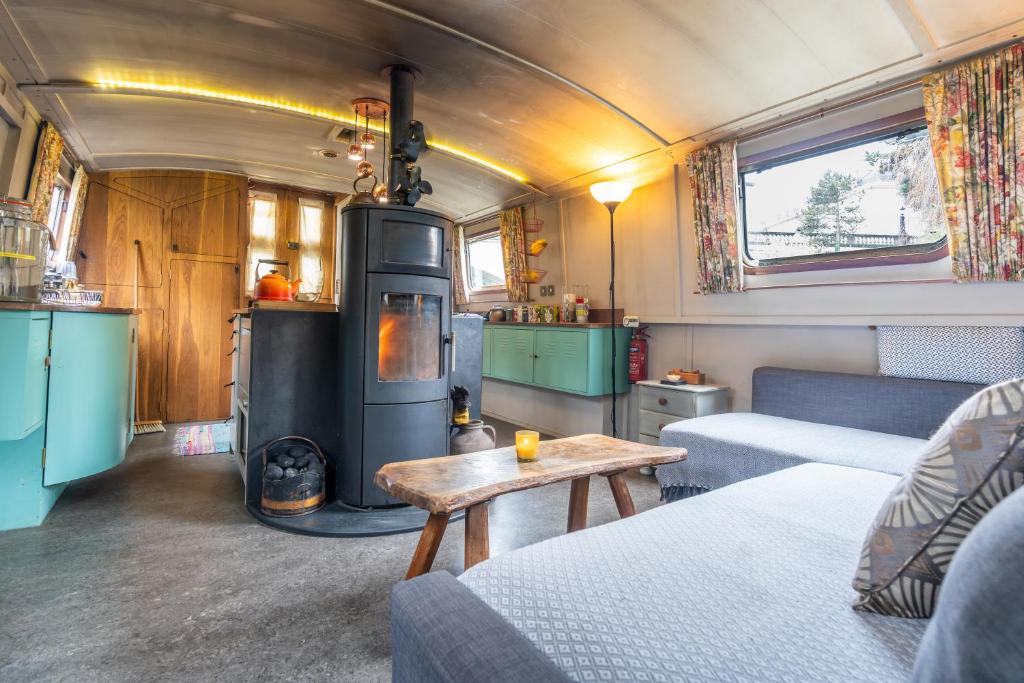
For decades, the phrase off-grid conjured up images of damp canvas tents, rustic hand-built shelters, and total sacrifice of everyday modern comfort. Leaving municipal utility lines meant swapping pressurized hot water for gravity bags, indoor climate control for heavy wool blankets, and reliable electricity for flickering wax candles. That tradeoff has fundamentally shifted. Advances in architectural design, sustainable building materials, and decentralized energy engineering have transformed off-grid living into an elevated luxury travel category.
Modern travelers increasingly run away from hyper-connected urban landscapes, overcrowded boutique hotels, and endless digital notifications. They crave quiet immersion in wild terrain, dark night skies, and undisturbed isolation. However, wanting wilderness does not mean abandoning fine linens, architectural beauty, or a hot morning shower. Today, the world of off-grid retreats proves that luxury and self-sufficiency can exist together, delivering an upscale wilderness escape that leaves barely a ripple on the surrounding earth.
The Architecture of Self-Sustaining Elegance
High-end off-grid living relies on forward-thinking passive architecture. Instead of brute-forcing comfort through energy-hungry mechanical appliances, these structures work with natural forces to maintain temperature, airflow, and light.
-
Passive solar orientation: Structures are built to align with the sun path. Expansive double- or triple-glazed windows face the equator to draw in free thermal warmth during cold months, while calculated roof overhangs and automated exterior louvers block harsh overhead rays during summer.
-
High thermal mass construction: Using rammed earth, local stone, polished concrete, and insulated timber panels, walls absorb daytime heat and radiate it back inside as nighttime temperatures drop. This technique stabilizes indoor climates without running noisy compressor systems.
-
Cross-ventilation pathways: Architects arrange clerestory windows, floor-level vents, and open breezeways to pull cool evening drafts across the floorboards while pushing warm, stagnant air out through high ceiling vents.
-
Low-impact foundations: Many contemporary off-grid units rest on steel helical piers or raised post-and-beam frames rather than solid concrete slabs. This minimizes ground excavation, preserves tree root structures, prevents soil compaction, and allows local runoff water to flow naturally underneath.
The Engineering Behind Invisible Luxury
The magic of luxury off-grid hospitality lies in its discretion. Guests rarely think about where their electricity comes from or how waste disappears because the underlying systems function silently in the background. High engineering delivers all the comforts of a five-star city suite without a single municipal wire or pipe connecting to the property.
Clean Energy Harvesting and Smart Storage
Modern micro-grid cabins pair monocrystalline solar panels or small vertical-axis wind turbines with lithium iron phosphate battery banks. These battery systems offer high thermal stability, deep discharge cycles, and long lifespans without the fumes or noise of conventional diesel generators. Intelligent power-inverter systems balance electrical loads, prioritizing refrigeration, clean lighting, and medical devices while quietly monitoring reserves. Guests enjoy interior lighting, induction cooking, and device charging without hearing anything louder than rustling leaves.
Pure Water Catchment and Filtration
Water management in off-grid luxury is both an art and a science. Rainwater harvesting roofs feature food-grade coatings that route every drop through leaf diverters and multi-stage sediment filters into food-grade cisterns. Advanced setups introduce ultraviolet sterilization tubes and sub-micron ceramic filters to provide tap water that tastes clean, fresh, and mineral-balanced. In arid or desert settings, atmospheric water generators condense moisture straight out of ambient air, while deep solar-powered boreholes tap pristine underground aquifers.
Closed-Loop Waste Treatment
True off-grid hospitality eliminates standard septic discharge that might harm native vegetation or leach into nearby waterways. High-design retreats rely on odorless mechanical composting toilets, vermifiltration pods using beneficial earthworms, or high-heat incinerating fixtures. Greywater from sinks and walk-in showers moves through reed-bed wetlands, biochar filters, and sand separators, cleaning the water so it can safely irrigate native surrounding landscapes.
Reimagining the Wilderness Stay
Modern off-grid escapes take many forms, each tailored to draw the eye outward into surrounding ecosystems while wrapping guests in clean design.
-
Nordic glass cabins: Found in Scandinavian forests and windswept coastlines, these micro-structures use mirrored or specialized anti-reflective panoramic glass walls. They give travelers front-row seats to falling snow, wandering wildlife, and nighttime auroras while remaining cozy with wood-fired stoves and radiant hydronic floor heating.
-
Upcycled shipping container studios: Welded, insulated, and wrapped in warm reclaimed cedar, these modular dwellings prove that industrial forms can blend smoothly into high deserts and dense temperate rainforests. Their modular nature allows for quick assembly on isolated sites without heavy construction disruption.
-
Elevated canopy treehouses: Suspended high in hardwood forests, luxury treehouses use tension cabling and flexible brackets to move naturally with tree trunks. They trade ground footprint for elevated river and valley vistas, turning outdoor bathing tubs and sprawling open-air decks into immersive birding perches.
-
Earth-sheltered subterranean suites: Built directly into hillsides, these underground dwellings use earth as a natural blanket. They maintain consistent year-round temperatures, offer profound acoustic silence, and preserve the original surface meadow above for grazing wildlife.
The Psychological Value of Deep Seclusion
Luxury is no longer defined just by thread counts, marble countertops, and room service. In a world saturated with digital demands, urgent emails, and ambient noise pollution, uninterrupted time, pure silence, and total privacy have become the ultimate commodities.
Spending time in remote, off-grid locations brings clear mental benefits. Natural day-and-night cycles recalibrate disrupted circadian rhythms, encouraging deeper, restorative sleep. The absence of road traffic, low-frequency electrical hums, and artificial street lighting relieves continuous sensory overload, lowering resting heart rates and stress hormones.
Off-grid travel invites guests to slow down. Grinding fresh morning coffee by hand, watching weather roll across a mountain valley, or lighting a split-log fire becomes an engaging daily ritual rather than a chore. Freed from routine interruptions, travelers find the mental space to write, read, create, and hold uninterrupted conversations with the people sharing the journey.
Designing a Mindful Guest Mindset
A successful stay at an off-grid luxury retreat requires a gentle shift in perspective. Even the most sophisticated micro-grid systems have practical limits, and respecting those boundaries creates a deeper connection between guest and landscape.
-
Embrace weather rhythms: Energy and water flow from the sky. On overcast, rainy afternoons, guests naturally learn to dial back power-heavy cooking tools, lean into candlelight, and draw heat from high-efficiency wood burners rather than electric elements.
-
Choose natural personal products: Because greywater systems feed directly into local soils and plant beds, conventional chemical body washes, synthetic shampoos, and aerosol sprays are left behind. Quality accommodations supply organic, plant-based formulas that biodegrade without leaving chemical traces.
-
Practice intentional digital disconnection: While some properties install low-draw satellite links for remote work, many intentionally omit Wi-Fi to protect the peaceful atmosphere. Treating the stay as an active digital detox magnifies the experience.
-
Honor the surrounding habitat: True luxury leaves no traces behind. Moving quietly through marked game trails, packing out non-compostable trash, and letting wild animals pass without disturbance keeps the land pristine for travelers who follow.
By marrying sustainable architecture with intentional hospitality, luxury off-grid travel shows that we do not have to conquer or exploit wild spaces to enjoy them. By treading lightly, we discover that the most restorative way to enjoy natural beauty is simply to step inside it, close the door, and let the wilderness do the rest.
Frequently Asked Questions
How do off-grid luxury properties maintain heating and cooling during extreme seasons?
Properties rely primarily on high-efficiency passive design, including thick continuous insulation, airtight thermal envelopes, and thermal mass walls. When additional climate control is required, they utilize low-wattage direct-current heat pumps powered by solar storage, hydronic radiant tubing heated by wood pellet boilers, or custom high-efficiency masonry stoves that radiate gentle warmth for hours after a fire dies down.
What happens to basic amenities if it rains for several consecutive days?
Modern systems are engineered with calculated reserve capacity, known as days of autonomy. High-capacity battery storage banks typically hold enough electricity to carry normal low-energy operations for three to five overcast days. Additionally, advanced charge controllers draw ambient daylight power even through cloud cover, and quiet backup generators kick on automatically for brief cycles only if batteries reach critical minimums.
Are off-grid luxury cabins suitable for travelers with complex medical needs?
Travelers who rely on continuous positive airway pressure devices or refrigerated medications must notify the operator before booking. While modern lithium battery setups easily handle standard medical devices overnight, confirming the system wattage, continuous load ratings, and backup power sources ensures the setup can meet medical requirements safely.
How do remote off-grid locations handle guest security and emergencies without cell service?
Reputable remote properties install land-based satellite emergency transceivers, two-way satellite messengers, or hardwired local communication links directly to emergency services. Site managers or nearby caretakers follow clear evacuation and emergency protocols, keeping automated external defibrillators and trauma medical kits stocked on the premises.
Can off-grid accommodation setups support electric vehicle charging on site?
Level 2 and high-speed electric vehicle charging draws substantial power that can quickly drain standalone off-grid battery banks. Most remote accommodations do not offer on-site electric vehicle charging unless they feature dedicated commercial solar arrays separate from the living quarters. Guests driving electric vehicles should plan to top up at public charging stations in the nearest town before heading into the backcountry.
Do luxury off-grid accommodations permit guests to cook elaborate meals independently?
Most off-grid kitchens are fully equipped with high-efficiency induction cooktops, gas ranges fueled by refillable propane canisters, and energy-star rated direct-current refrigerators. However, high-draw plug-in counter appliances like commercial blenders, electric air fryers, and continuous-run espresso machines are usually left out to avoid tripping the inverter systems.
How is fire safety managed in timber-heavy or forest-based off-grid retreats?
Structures built in fire-prone regions use fire-resistant exterior claddings, such as fiber cement, non-combustible steel, or charred Japanese cedar. Surrounding brush is cleared to create defensible clearance zones, and properties maintain dedicated gravity-fed water tanks equipped with high-pressure fire hoses, external rooftop ember sprinkler lines, and standard internal extinguishers.

Comments are closed.