

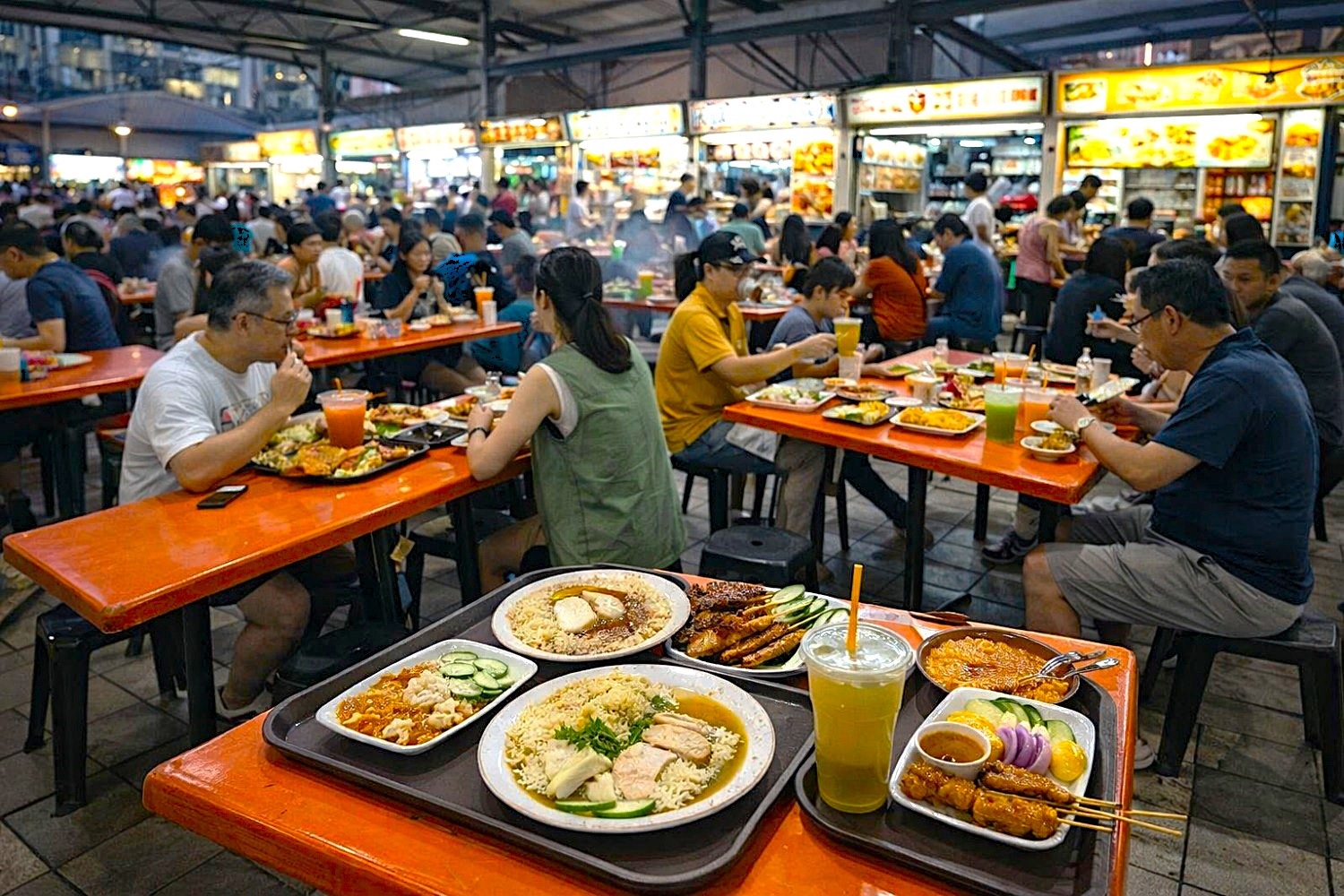
Singapore is a fantastic destination for travellers who enjoy discovering a place through its food. The city’s cuisine reflects a combination of Chinese, Malay, Indian, and other culinary traditions, creating a wide variety of flavours and dishes. A Singapore package that includes time for local dining can help visitors experience more than the city’s famous landmarks by exploring neighbourhood eateries, traditional markets, and celebrated hawker centres.
Why Hawker Centres Are Worth Visiting
Hawker centres are an important part of Singapore’s everyday food culture. These communal dining spaces bring together independent food stalls serving a variety of affordable meals.
Visitors can sample traditional dishes, observe local dining habits, and discover regional influences in one location. Popular destinations include Maxwell Food Centre, Lau Pa Sat, and Chinatown Complex Food Centre, although individual stall availability and opening hours can vary.
Some stalls attract long queues, especially during peak meal times. Visit earlier or later when possible, and check payment methods before ordering.
Try Singapore’s Famous Chicken Rice
Hainanese chicken rice is one of Singapore’s best-known dishes. It typically features poached or roasted chicken served with fragrant rice, accompanied by sauces and a light soup.
The appeal lies in the balance of flavours and the preparation of the rice, chicken, and accompanying condiments. Different stalls offer their own variations, making it interesting to compare versions at different locations.
If you have dietary preferences, check the preparation method and ingredients before ordering.
Experience the Flavours of Laksa
Laksa is a noodle dish associated with several Southeast Asian culinary traditions. Singapore’s curry laksa commonly features noodles in a rich, coconut-based broth with ingredients such as seafood or tofu, depending on the preparation.
Its aromatic spices and creamy texture make it a popular choice for visitors interested in regional cuisine. Recipes vary, so travellers may encounter different versions across restaurants and hawker stalls.
Because some versions can be spicy, ask about the heat level if you prefer milder food.
Sample Satay and Other Local Favourites
Satay consists of skewered, grilled meat commonly served with a peanut-based sauce and accompaniments. It is a popular option at selected hawker centres and food markets.
Other dishes worth exploring include char kway teow, a stir-fried noodle dish, and roti prata, a flaky flatbread often served with curry. Each offers a different taste of Singapore’s diverse culinary influences.
Ask about ingredients when necessary, particularly if you have allergies. Peanut sauces, seafood ingredients, and shared cooking equipment may be relevant concerns for some travellers.
Leave Room for Local Desserts
Singapore’s dessert options range from traditional sweets to contemporary creations. Ice kacang is a colourful dessert featuring shaved ice and assorted toppings, while kaya toast is a popular breakfast or snack choice served with kaya, a coconut-and-egg spread.
Visitors can also look for traditional pastries and desserts influenced by different communities. Exploring local cafés and bakeries can reveal flavours that differ from familiar international options.
Explore Food Beyond the City Centre
Different neighbourhoods offer distinct food experiences. Chinatown provides access to traditional Chinese-influenced dishes, while Little India features Indian restaurants, snacks, and sweets.
Kampong Glam offers a mix of cafés and eateries influenced by Malay and other regional cuisines. Exploring these districts can help visitors connect food with the city’s cultural heritage.
Plan food stops around nearby attractions so that you can combine dining with sightseeing without unnecessary travel.
Food Etiquette and Practical Tips
Hawker centres can be busy, particularly at lunchtime. Follow local queueing practices, keep shared tables tidy, and dispose of waste appropriately.
Check displayed prices before ordering and carry a suitable payment option. If you have dietary restrictions, communicate them clearly rather than assuming that a dish is free from particular ingredients.
Singapore’s tropical climate also makes food storage important, so choose establishments that appear to follow good food-handling practices.
Conclusion
Singapore’s food culture offers a delicious introduction to the city’s multicultural heritage, from chicken rice and laksa to satay and traditional desserts. Visiting hawker centres and neighbourhood eateries helps travellers discover authentic local flavours while experiencing everyday life. A Singapore food tour can add a memorable culinary dimension to a holiday, complementing the city’s attractions with distinctive dishes and dining traditions.

Comments are closed.