

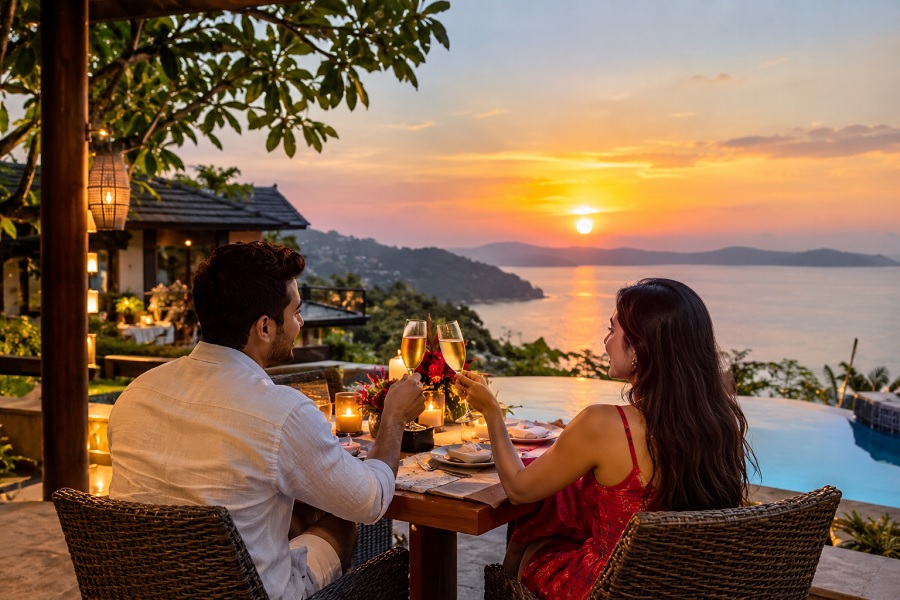
Modern life rarely slows down on its own. Between nonstop notifications, packed professional calendars, and household responsibilities, mental and physical exhaustion can accumulate before you even realize it. While extended multi-week vacations are wonderful, waiting months for an annual holiday is not always practical. A thoughtfully planned two- or three-day weekend escape can provide the exact reset needed to clear brain fog, relieve chronic stress, and restore your energy.
The key to a successful weekend recharge lies in choosing an experience that directly counteracts your daily fatigue. If your work involves constant screens and urban noise, deep nature or a quiet coastal village will feel like an immediate relief. If your daily life feels monotonous and uninspiring, a creative small-town retreat or a farm-to-table culinary escape can spark fresh enthusiasm. By keeping travel time under three to four hours and eliminating rigid schedules, you can transform a short forty-eight-hour window into an intensely restorative getaway.
The Secluded Mountain Cabin Getaway
Few environments calm an overstimulated nervous system as quickly as a mountain forest. Heading into high elevations or deeply wooded valleys creates an immediate physical break from modern noise. Whether nestled in the Blue Ridge Mountains, the Colorado Rockies, or the wooded folds of the Berkshires, booking an off-grid or semi-secluded cabin offers an environment built for quiet recovery.
In this setting, nature sets the schedule. The morning begins with crisp alpine air, the aroma of pine needles, and the sound of wind rustling through hardwood canopies. Instead of checking emails with breakfast, you sip coffee on an open timber deck while watching morning mist lift off the ridges.
Key elements of a rejuvenating mountain cabin weekend include:
-
Choosing accommodations with an outdoor wood-burning fire pit or a stone fireplace for cozy, reflective evenings.
-
Taking low-impact, mindful hikes along forested trails where the goal is soaking in the scenery rather than hitting intense athletic milestones.
-
Committing to a genuine digital sunset by turning off phones and laptop screens once dusk falls.
-
Spending unhurried hours reading physical books, journaling, sketching, or simply watching passing clouds from a hammock.
The stillness of mountain terrain lowers blood pressure and allows your mind to untangle itself from relentless workplace urgency.
The Serene Coastal and Beach Haven
Water has a documented neurological calming effect, often referred to as the blue mind phenomenon. Coastal escapes do not need to involve crowded boardwalks, loud seaside amusement piers, or pulsing beach bars. A quiet coastal haven, such as the misty bluffs of northern California, the sleepy barrier island hamlets of the Carolinas, or the rocky coves of Maine, provides the ideal backdrop for sensory restoration.
The steady rhythm of ocean swells acts as natural white noise, drowning out the frantic internal chatter of everyday obligations. Walking barefoot along wet, packed sand stimulates nerve endings while ground temperatures soothe tired muscles.
Ways to structure a restorative coastal weekend:
-
Booking a cottage, boutique inn, or bed-and-breakfast that sits within easy walking distance of the shoreline to eliminate car travel.
-
Scheduling early morning walks along the tide line to collect shells, spot shorebirds, and watch the sunrise over open water.
-
Enjoying fresh, locally sourced seafood prepared simply at casual open-air fish shacks or harbor docks.
-
Resting on a beach blanket with a light breeze, letting the sound of rolling surf pull you into deep, restorative afternoon naps.
Even twenty-four hours spent breathing sea salt air and watching the horizon can break long patterns of mental burnout.
The Dedicated Hot Springs and Wellness Sanctuary
When your exhaustion is deeply physical, a weekend centered around hydrotherapy and thermal waters can speed up your recovery faster than ordinary rest. Geothermal mineral hot springs have been utilized for healing across cultures for thousands of years. Natural springs, such as those found throughout the American West in New Mexico, Idaho, Colorado, and Oregon, provide mineral-rich waters that soothe achy joints, loosen tight shoulders, and improve circulation.
Many hot springs facilities operate as dedicated wellness retreats, blending therapeutic pools of varying temperatures with holistic spa treatments, steam caves, and quiet meditation gardens.
Highlights of a mineral spring retreat weekend:
-
Soaking in hot mineral pools high in sulfur, magnesium, and lithium, which promote deep muscular relaxation and improve sleep depth.
-
Practicing contrast hydrotherapy by alternating between hot thermal waters and cool plunge pools to stimulate the lymphatic system.
-
Scheduling restorative bodywork, such as deep tissue massage, salt scrubs, or warm herbal wraps.
-
Dining on nutrient-dense, organic meals designed to hydrate and nourish the body from the inside out.
Slipping into hot mineral water under a starlit night sky melts away physical tension and leaves you deeply relaxed for bedtime.
The Historic Small Town and Cultural Stroll
If complete isolation feels too lonely or boring, an intimate, historic small town offers the perfect blend of leisure and quiet stimulation. Destinations like Savannah, Georgia; Hudson, New York; St. Augustine, Florida; or Galena, Illinois offer walkable streets, rich architecture, and community warmth without the overwhelming chaos of major metropolitan centers.
Staying in a historic district allows you to explore at a relaxed, wandering pace. You can leave your vehicle parked for the entire weekend, stepping straight out your door into cobblestone lanes, brick pathways, and shaded public squares.
How to make the most of a charming small-town escape:
-
Reserving a room at a historic boutique hotel or an architecturally distinct inn where historic charm and modern comfort meet.
-
Browsing independent bookstores, antique emporiums, artisan pottery workshops, and local art galleries without a fixed shopping list.
-
Spending hours sitting at a sidewalk cafe, sipping artisan coffee or regional wine while watching the neighborhood move by.
-
Taking self-guided architectural walking tours to admire historic preservation, period homes, and public gardens.
This style of travel encourages mindfulness through gentle curiosity, giving your brain something lovely to focus on without draining your energy reserves.
The Farm-to-Table Countryside Immersion
Culinary burnout is real. Eating rushed meals at work desks, ordering convenience takeout, and grocery shopping on autopilot take the pleasure out of eating. A weekend escape to an agricultural valley or pastoral countryside, such as the Hudson Valley, Virginia hunt country, or the rolling hills of Vermont, reawakens your senses through fresh, seasonal food.
Agritourism retreats, working farmsteads, and countryside inns partner directly with neighboring growers, dairies, and orchards to create unforgettable dining experiences rooted in the land.
Hallmarks of a refreshing countryside culinary retreat:
-
Touring family-owned orchards, heritage vineyards, and artisan cheese creameries to meet the producers behind your food.
-
Savoring multi-course seasonal dinners served in restored rustic barns, open fields, or garden greenhouses.
-
Sleeping in countryside farmhouses where the soundtrack is crickets and night breezes rather than city sirens.
-
Visiting vibrant weekend farmers markets to sample wild honey, freshly baked sourdough loaves, and heirloom produce.
Reconnecting with the origins of your food and taking time to sit through slow meals reminds you that eating can be a joyful celebration rather than just routine fuel.
The State or National Park Glamping Adventure
If you love the concept of sleeping in the wilderness but dread the exhausting logistics of pitching tents, hauling sleeping pads, and cooking over camp stoves, glamping provides the ultimate middle ground. Upscale safari tents, geodesic domes, and restored vintage trailers offer comfortable outdoor living without the hassle.
Setting up camp near iconic state parks or national monuments allows you to wake up steps from world-class nature while enjoying plush beds, soft linens, running water, and private decks.
What makes an outdoor glamping weekend deeply restorative:
-
Waking up directly inside natural environments without sacrificing physical spinal comfort or a solid eight hours of sleep.
-
Spending full days exploring scenic canyons, red rock formations, or old-growth groves without long highway drives.
-
Returning to a warm shower, luxury textiles, and a prepared fire pit right outside your canvas walls at twilight.
-
Experiencing dark sky sanctuaries where low light pollution reveals views of the Milky Way, constellations, and shooting stars.
Glamping strips away the physical friction of traditional camping, leaving behind pure scenic beauty and peaceful outdoor downtime.
Strategies for Protecting Your Weekend Recharge
A short vacation can easily turn hectic if you try to pack too much into forty-eight hours. To ensure your weekend actually leaves you feeling rested and refreshed, put clear boundaries in place before you depart:
-
Cap Travel Distance: Keep door-to-door transit time under three to four hours. Spending six hours driving on Friday night and Sunday evening defeats the purpose of a short break.
-
Leave Large White Spaces on the Itinerary: Avoid the temptation to schedule every hour. Pick one anchor activity per day, such as a hike or a nice dinner, and leave the remaining hours entirely open to spontaneous whim.
-
Establish Communication Boundaries: Set an out-of-office email autoresponder and mute workplace messaging applications on Friday afternoon. True mental decompression cannot happen if your phone buzzes with team project updates every twenty minutes.
-
Return with a Buffer: Plan to arrive home by late Sunday afternoon rather than late Sunday night. Giving yourself two or three hours to unpack, take a shower, and ease back into your home environment prevents the Monday morning scramble.
Taking proactive ownership of your weekend time ensures you return to your regular weekly routine feeling revitalized, clear-headed, and ready for whatever lies ahead.
Frequently Asked Questions
How can a traveler effectively disconnect from work during a short two-day getaway?
Set clear expectations with your colleagues several days in advance by announcing that you will be completely unreachable over the weekend. Turn off all corporate chat notifications, move work-related apps into hidden phone folders, and leave work laptops at home. If you feel compelled to check your phone, schedule a single ten-minute window once a day to check for true emergencies, leaving the remaining hours entirely work-free.
What should you do if sudden bad weather disrupts your outdoor weekend plans?
Embrace the shift in conditions rather than viewing it as a ruined trip. A rainy mountain or beach day offers the perfect excuse to spend hours reading beside a roaring fire, visiting a local museum, booking an impromptu massage, or discovering a cozy, quiet coffee shop. Shifting your expectations from active outdoor movement to cozy indoor rest often results in an even deeper physical recharge.
How do you balance romance and individual rest when taking a couple’s weekend recharge?
Have an honest conversation before leaving home about each person’s specific recovery needs. One partner may crave silent reading time on a deck, while the other wants to walk trails or explore local shops. Agree ahead of time that taking solo hours during the afternoon is encouraged, and use shared dinners and evening campfires as your primary moments of connection.
What is the most practical way to pack for a fast forty-eight-hour trip?
Stick to a single overnight duffel bag or carry-on weekender to avoid heavy lifting and chaotic unpacking. Pack versatile, comfortable clothes that layer easily, such as comfortable knit pants, soft t-shirts, a breathable sweater, and one reliable pair of walking shoes. Leave formal clothes, complicated grooming appliances, and extra footwear behind so that getting dressed takes mere minutes.
How can someone with a very tight budget execute a meaningful weekend recharge?
Look into state park cabins, off-season vacation rentals, or car camping spots located within two hours of your home. You can also organize a low-cost home retreat by stocking your kitchen with special groceries ahead of time, putting away all screens, and treating your own town like an out-of-town guest by exploring free botanical gardens, local nature preserves, and scenic public parks.
Is it better to travel alone or with friends for a quick reset?
If your burnout stems from caretaking, managing large teams, or constant social demands, a solo weekend trip offers the fastest path to mental peace because you answer to no one else’s schedule. If your daily stress comes from feeling isolated, disconnected, or uninspired, traveling with a calm, low-maintenance friend can provide comforting companionship and lighthearted laughter that renews your spirit.
How do you avoid the dreaded Sunday night travel dread before the workweek begins?
Prevent end-of-trip anxiety by leaving your home spotless, doing all your laundry, and making your bed before leaving on Friday afternoon. Heading home by mid-afternoon on Sunday gives you time to unpack your bag, prepare a simple comforting dinner, and settle into your normal evening wind-down routine, keeping the relaxed vacation mindset intact into Monday morning.

Comments are closed.