

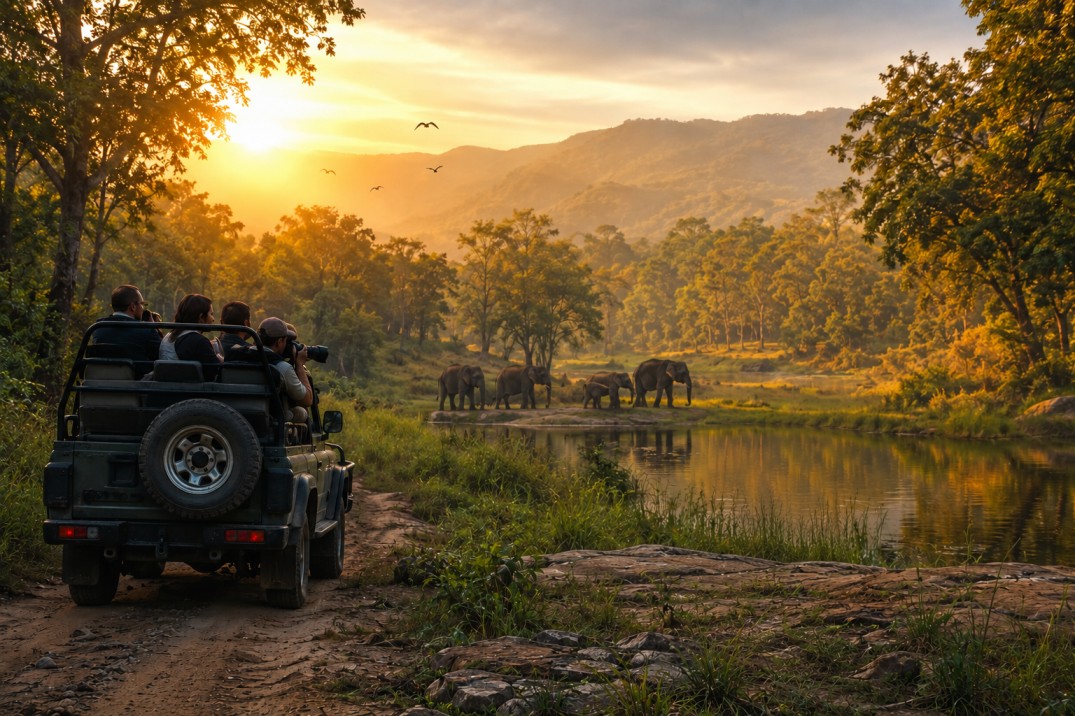
Few travel experiences match the raw awe of seeing an apex predator stalking through morning mist or a herd of elephants bathing in a sun-drenched river basin. For decades, the African savannah, the dense jungles of the Indian subcontinent, and the cloud forests of South America have drawn travelers eager to reconnect with the untamed natural world. Yet, as global tourism expands into fragile biomes, the line between genuine ecological stewardship and commercial exploitation has blurred.
A safari cannot be judged solely by the luxury of its canvas tents or the comfort of its open-sided cruisers. True ethical safari travel requires that animal welfare, habitat conservation, and local human dignity take priority over guest convenience or social media photographs. When done right, safari tourism funds anti-poaching units, restores degraded ecosystems, and delivers living wages to communities that share their backyards with dangerous wildlife. When done poorly, it stresses animals, erodes fragile soils, and strips local residents of autonomy. Navigating this landscape requires discernment, skepticism, and an understanding of how responsible wilderness travel operates on the ground.
The Core Pillars of an Ethical Wildlife Safari
An ethical safari is not defined by a rustic aesthetic or a vague marketing claim about loving nature. It rests on concrete operational choices that prioritize long-term ecological balance over immediate visitor gratification.
-
Non-interference with natural behaviors: True wildlife viewing means acting as an unobtrusive spectator. Animals must hunt, forage, mate, nurse, and rest on their own terms. Ethical operators maintain a generous buffer, cut vehicle engines during extended viewings, and never alter animal behavior for the sake of an angle.
-
Habitat integrity and ecosystem protection: Preserving the soil, waterways, and native vegetation is just as vital as protecting charismatic mammals. Heavy four-wheel-drive vehicles tearing across pristine grasslands crush micro-ecosystems and create deep ruts that accelerate soil erosion. Responsible companies adhere strictly to designated roads and established tracks.
-
Equitable local partnerships: Conservation fails without the active consent and leadership of local communities. Ethical outfits enter into long-term lease agreements with customary landholders, hire and train resident naturalists, and reinvest revenues into community-selected projects like schools, water infrastructure, and clinics.
-
Financial contribution to active conservation: A percentage of the revenue generated from park fees, bed nights, and guided walks must directly support field conservation. This includes funding anti-poaching ranger units, veterinary interventions for snared animals, ecological monitoring, and reforestation initiatives.
Greenwashing in the Safari Industry: Red Flags to Spot
As eco-conscious travel has grown, so has greenwashing. Many operators use marketing phrases like sustainable, eco-friendly, and conservation-focused without changing their destructive field practices. Learning to identify these warning signs protects both your wallet and the wildlife you hope to observe.
Guaranteed Sightings and Baiting Tactics
Wild animals do not follow human schedules. Any operator offering guaranteed sightings of elusive species, such as leopards, tigers, or wild dogs, is likely compromising ethical standards. To fulfill these promises, unethical guides may use radio networks to swarm a single animal, box it in with multiple vehicles, or rely on baiting.
Baiting involves tethering live prey or hanging carcasses near tracks to lure predators into view. This disrupts natural hunting instincts, creates dependency on human-supplied meals, and increases the risk of dangerous human-wildlife encounters. An ethical outfitter speaks in terms of probabilities, seasonal movements, and track tracking, embracing the inherent unpredictability of the wild.
Hands-On Contact and Staged Encounters
A fundamental rule of ethical wildlife tourism is simple: if you can pet, ride, bathe, or hold a wild animal, the encounter is exploitative. Activities like lion cub petting, walking with cheetahs, or elephant riding depend on animals that have been pulled from their mothers early, broken through physical coercion, or bred in captivity for commercial profit.
Captive predators raised for photo opportunities rarely return to the wild. In many cases, captive-bred lions in Southern Africa end up in canned hunting facilities once they become too large and dangerous for petting enclosures. Ethical sanctuaries exist solely for rescue, rehabilitation, and release, maintaining a hands-off policy for visiting guests.
Vehicle Overcrowding and Chasing Animals
In high-density parks, the sighting of a rare predator often triggers a chaotic vehicle rush. Dozens of trucks may speed to the location, surrounding the animal, cutting off its path of movement, and drowning out its auditory senses with idling diesel engines.
Chasing animals, boxing them in, or positioning a vehicle between a mother and her young creates intense physiological stress. It can cause predators to abandon hard-earned kills or alert prey to a stalker, leaving the predator hungry. Ethical operations enforce strict limits on the number of vehicles permitted at a sighting and cap viewing times to allow the animal peace.
How to Vet Tour Operators and Wilderness Lodges
Finding an ethical provider takes research before booking. Websites often look identical on the surface, meaning travelers must look behind the glossy photography and ask pointed questions.
Questions to Ask Providers Directly
-
What specific conservation initiatives do your guest night fees fund, and can you share your latest annual conservation impact report?
-
What is your strict vehicle-to-sighting policy when observing apex predators or mothers with young?
-
Are your naturalists and guides hired from the immediate local area, and what ongoing training programs do you provide for them?
-
How does your camp manage waste, water consumption, and energy generation in this ecosystem?
-
Do you hold independent certifications from credible sustainability oversight organizations?
Third-Party Certifications and Governance
Instead of relying on self-declared eco-credentials, look for operators audited by established global and regional sustainability programs. Organizations recognized by the Global Sustainable Tourism Council evaluate properties on resource management, human rights, and biodiversity preservation.
In East Africa, bodies like Ecotourism Kenya award bronze, silver, and gold eco-ratings based on rigorous field inspections of waste handling, staff welfare, and environmental impact. In Southern Africa, organizations like Fair Trade Tourism evaluate social equity and fair wages alongside wilderness conservation. Look for operators affiliated with proven conservation partnerships, such as The Long Run or African Parks, which require verifiable ecological benchmarks.
The Human Factor: Why Ethical Safaris Must Empower Communities
Wildlife cannot survive inside isolated, fenced enclaves while surrounding human communities struggle in poverty. For rural populations living along park boundaries, wildlife can represent a direct threat to life and livelihood. Elephants flatten maize crops, lions kill cattle, and leopards threaten village safety.
If local families view wildlife only as a destructive liability, poaching and retaliatory killings inevitably follow. Ethical safaris fundamentally change this dynamic by turning living wildlife into a sustainable, community-owned asset.
In progressive conservancy models, such as those in Kenya’s Mara ecosystem or Namibia’s communal conservancies, local indigenous groups own the land. They lease specific tracts to eco-lodge operators in exchange for guaranteed land rental payments, tourism levies, and employment preferences.
Under these agreements:
-
Herders retain seasonal grazing rights in designated buffer zones, preventing starvation of livestock during droughts.
-
Community elders serve on joint management boards to determine wildlife corridors and water distribution.
-
Revenue from safaris builds schools, drills boreholes for clean drinking water, and supports local clinics.
-
Poaching drops substantially because community members actively protect animals that fund their public services.
When selecting a safari, favor outfits that champion this model. An operator that treats local residents merely as low-wage cooks, cleaners, and performers while keeping executive and guide roles for outsiders is not practicing ethical tourism.
Responsible Guest Conduct in the Field
Even the most conscientious operator cannot prevent a safari from turning harmful if guests behave recklessly. Travelers bear personal responsibility for how they conduct themselves in the bush.
-
Invest in optical zoom over proximity: Never pressure your driver or naturalist to move closer to an animal. If you cannot capture a detailed photo without encroaching on an animal’s comfort zone, use a telephoto lens or binoculars instead of forcing a close encounter.
-
Maintain sound discipline: Keep voices at a low whisper when near wildlife. Loud talking, sudden movements, or banging on the side of a vehicle can startle animals, triggering flight or defensive charges.
-
Eliminate single-use plastics: Remote wilderness areas lack municipal recycling facilities. Bring a durable, insulated water bottle and refuse single-use plastic bottles, which often end up scattered in riverbeds or burned in open pits.
-
Disable geolocations on social posts: When sharing photographs of critically endangered species, particularly black rhinos, white rhinos, and pangolins, turn off GPS metadata. Poaching syndicates monitor social media platforms to track the exact coordinates of vulnerable animals.
-
Respect local dignity: Do not treat local villages or schools as human zoos. Avoid taking intrusive photographs of residents, especially children, without explicit permission. Support local artisans by purchasing crafts directly from makers at fair prices.
By approaching a wildlife adventure with humility, rigorous scrutiny, and an insistence on high animal welfare standards, you ensure your visit actively protects the wild places and species that make this planet extraordinary.
Frequently Asked Questions
How do night game drives fit into ethical wildlife policies?
Night drives can be ethical if guides use red-filtered spotlights and avoid shining bright, unfiltered beams directly into an animal’s eyes. High-intensity white lights temporarily blind both nocturnal hunters and their prey, disrupting hunting success and leaving animals vulnerable. Ethical guides sweep the light across the terrain and keep illumination indirect once an animal is spotted.
What should a traveler do if they witness a guide breaking park rules on a game drive?
Calmly and politely ask the guide to stop the behavior immediately, emphasizing that you are uncomfortable with the proximity, speed, or off-road driving. Note the vehicle registration, tour company name, time, and specific location, and report the infraction directly to park rangers or the head naturalist at your lodge upon return.
Are private conservancies generally more ethical than national parks?
Private and communal conservancies often provide higher ethical standards because they enforce strict vehicle caps at sightings and practice lower guest-to-land ratios than public national parks. Furthermore, conservancy models typically involve direct lease payments to indigenous landowners, creating stronger community equity than centralized state parks.
How does drone usage affect wildlife during safari excursions?
Drones are banned in almost all reputable parks and reserves because the high-pitched noise causes immense distress to wildlife. Animals frequently perceive drones as birds of prey or unfamiliar threats, leading to panicked stampedes, abandoned nests, and heightened cortisol levels. Ethical travelers leave recreational drones at home.
What is the ethical consensus on safari camps operating inside water-scarce biomes?
In arid environments like the Kalahari or Namib deserts, ethical camps must demonstrate rigorous water conservation, such as greywater recycling systems, low-flow fixtures, and water treatment plants that return clean water to the soil. Facilities that install private plunge pools or maintain manicured, water-intensive lawns in drought-prone habitats contradict basic conservation ethics.
How can travelers evaluate the ethical standing of self-drive safaris versus guided outfits?
Self-drive travelers must independently hold themselves to strict ethical standards by obeying park speed limits, never leaving marked tracks, staying inside their vehicles, and refusing to crowd sightings. While self-driving gives autonomy, professional ethical guides possess specialized knowledge of animal stress signals and park conservation rules that casual visitors often miss.
Does participating in citizen science safaris provide measurable conservation value?
Yes, citizen science programs provide immense conservation value when structured through verified research teams. Travelers help collect vital data by photographing unique animal markings for identification databases, recording GPS coordinates of rare species, or tracking invasive vegetation, giving biologists datasets that funding shortages would otherwise prevent them from gathering.

Comments are closed.