

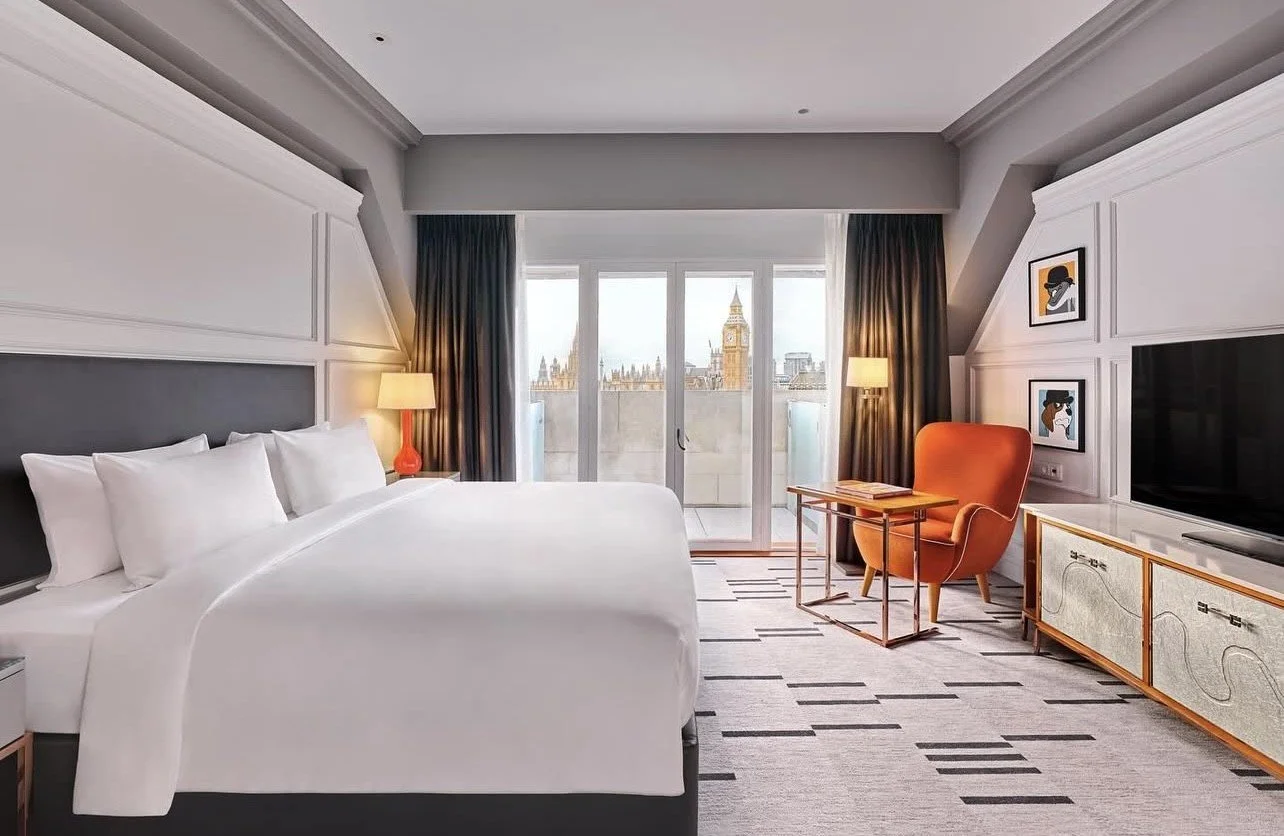
Stepping into an expansive hotel suite with panoramic skyline views, a deep soaking tub, and complimentary lounge access transforms a standard trip into an unforgettable getaway. For most travelers, however, premium rooms seem locked behind steep price tags or reserved exclusively for high-tier corporate road warriors.
The hospitality industry operates on a perishable inventory model. Once the front desk closes out the night, an empty suite earns the hotel zero dollars. Front desk agents, guest relations officers, and shift supervisors often possess broad discretion to move guests into superior room categories. The secret lies in understanding how hotel inventory algorithms work, how staff make room assignment decisions, and how to present yourself as the ideal candidate for a complimentary enhancement.
Here are ten industry secrets that hospitality insiders rely on to score room upgrades without spending an extra dime.
1. Book Directly with the Hotel
If you secure your reservation through an online travel agency or a third-party discount aggregator, your chances of receiving a complimentary upgrade are close to zero. Third-party booking sites charge hotels commissions that typically range from fifteen to twenty-five percent per reservation. Because the hotel makes significantly less revenue on these bookings, third-party reservations sit at the bottom of the room assignment hierarchy.
When a front desk manager reviews the daily arrival log to allocate available corner rooms, junior suites, or ocean-facing units, direct bookings take immediate priority. Booking straight through the hotel website or calling the on-site reservations team signals that you value the property directly. Furthermore, when issues arise or when inventory shifts, staff are much more empowered to modify a direct reservation in their property management system than an external reservation locked under wholesale travel agency rules.
2. Enroll in the Loyalty Program Before Booking
You do not need elite lifetime status to reap the rewards of a hotel loyalty program. Simply holding an entry-level account matters more than most travelers realize. Hotels train their staff to look for member profiles on arrival rosters because member satisfaction metrics directly impact brand audits and employee bonuses.
-
Account Integration: Always attach your membership number at the time of booking rather than handing it over at check-in.
-
Preference Tracking: Complete your digital member profile by selecting room preferences, such as high floors, extra foam pillows, or rooms away from elevators. Staff often view these profiles ahead of arrival to pre-block rooms.
-
Direct Recognition: Even base-tier members frequently receive tiebreaker preference over non-members when competing for the last available deluxe room on any given evening.
3. Check In During the Afternoon Sweet Spot
Arrival timing plays a monumental role in whether a front desk agent has the freedom to upgrade your room. Arriving too early or during peak lobby congestion can ruin your chances.
-
Avoid the Midday Rush: Arriving between 1:00 PM and 3:30 PM is often counterproductive. Front desk agents are under intense pressure to clear queues, and housekeeping is still actively cleaning and inspecting vacated departures. Agents will likely assign whatever basic room is already marked clean and inspected.
-
Target the Sweet Spot: The optimal arrival window is typically between 4:45 PM and 6:30 PM. By late afternoon, the housekeeping department has updated the entire room inventory to clean and inspected status. The front desk team has a clear view of how many higher-tier suites remain unsold and are unlikely to be booked by walk-in guests.
-
The Late-Night Risk: Waiting until late at night can backfire. While unassigned suites may still sit vacant, graveyard-shift clerks often work under restricted operational guidelines or maintain fixed room assignments to avoid disrupting computerized night audit runs.
4. Send a Targeted Pre-Arrival Note to Guest Relations
The upgrade process rarely begins at the physical check-in counter. In most full-service and luxury hotels, room assignments are built anywhere from twenty-four to forty-eight hours before arrival by the front office manager or guest relations coordinator.
Instead of waiting until you step up to the marble desk, reach out via a polite, concise email two days prior to your stay. Address the message to the guest experience team, assistant front office manager, or concierge. State your excitement about visiting the property, mention your reservation confirmation number, and briefly note the purpose of your trip. If you hold a preference for a specific view or a quieter corner of the building, frame it as a humble inquiry. Front office staff appreciate guests who communicate thoughtfully in advance, and they frequently pre-assign upgraded categories right then and there.
5. Keep Your Stay Short
Room upgrades are a game of logistical puzzle-solving. When a guest requests an upgrade for a five-night stay, the front desk agent must confirm that the upgraded suite is completely unoccupied for all five consecutive days. If another customer has paid full price to reserve that exact suite for even one night in the middle of your stay, the agent cannot move you into it.
One-night or two-night stays offer the greatest upgrade probability. Front desk agents can effortlessly slide a short-term guest into an unsold executive suite knowing it will be vacant again the next morning in time for regular turnover. If you plan an extended stay, consider accepting that an upgrade may only be feasible if you offer to switch rooms halfway through, though short weekend getaways remain the prime target.
6. Target Business Hotels on Weekends and Resort Hotels Midweek
Understanding destination travel rhythms will help you pinpoint when luxury suites sit empty. Hotels rely on specific demographic patterns that dictate room occupancy.
-
Metropolitan Business Hotels: Properties located in financial districts or near convention hubs primarily host corporate clients between Monday morning and Thursday afternoon. Come Friday evening, these business travelers clear out, leaving premium executive floors and expansive suites vacant through Sunday.
-
Leisure and Resort Properties: Coastal resorts, ski chalets, and mountain retreats experience their highest occupancy and steepest pricing on weekends. Booking a stay at these locations from Tuesday through Thursday yields empty inventory and an eager front desk team ready to pamper midweek guests.
7. Authentically Share Meaningful Occasions
Hotels are in the business of creating positive memories, and staff love participating in milestone celebrations. If you are traveling for an anniversary, a milestone birthday, a honeymoon, or a personal achievement like passing a professional exam, let the property know.
However, authenticity is mandatory. Front desk agents see thousands of guests every month and quickly spot manufactured celebrations. Never invent a fake occasion simply to demand free perks. Instead, share your milestone naturally during your pre-arrival correspondence or casually mention it during check-in conversation. Even when suites are fully booked, mentioning a special milestone often results in high-floor reassignments, complimentary breakfast vouchers, or personalized welcome amenities delivered directly to your door.
8. Monitor Real-Time Inventory on the Hotel App
Knowledge is power during any negotiation. Before walking into the hotel lobby, open the hotel brand application or website on your smartphone and perform a mock search for a new reservation for that exact night.
Take note of which premium room categories are still showing active inventory. If you notice that several executive corner rooms or junior suites are still available for sale, you know with certainty that the physical space exists. When you approach the desk, this insight keeps your request grounded in reality. Rather than asking vaguely for whatever is free, you can politely inquire whether the hotel has any availability to move you into a specific category you know is currently unoccupied.
9. Master Front Desk Etiquette and Interpersonal Warmth
Front desk agents endure hours of difficult guest interactions, dealing with demanding travelers, delayed flights, and logistical frustrations. A warm smile, eye contact, and sincere kindness can instantly set you apart from ninety percent of the people that agent has dealt with all day.
-
Use the Agent’s Name: Look at their name tag and address them courteously. A simple greeting such as, “Good afternoon, Sarah, how has your shift been going today?” humanizes the interaction immediately.
-
Step Aside When Busy: If the front desk agent is on a phone call or resolving an issue with another team member, wait patiently without tapping your cards on the counter.
-
Avoid Entitlement: Never walk up to the counter and state that you expect an upgrade. Entitlement produces an immediate psychological barrier, prompting agents to check standard system protocols and deliver a polite refusal. True hospitality professionals love surprising guests who show genuine humility and respect.
10. Inquire Discreetly and Be Specific
The way you frame your question matters immensely. Asking for a room upgrade loudly in an earshot of five other guests forces the agent to decline your request, as granting it could trigger a domino effect of demands across the entire lobby.
Lower your voice, lean in slightly, and ask with discreet charm. Avoid blunt phrases like, “Can I get a free room upgrade?” Instead, use phrasing that offers the agent conversational flexibility:
-
“If you happen to have any complimentary upgrades available for a corner room or high floor this evening, I would be incredibly grateful.”
-
“Are there any quiet rooms with an updated view available for tonight?”
-
“What is your best available room category this evening? I am more than happy to pay a nominal fee to upgrade if a suite is open, but I wanted to see what the options look like.”
Offering to pay a small upgrade fee often works wonders. Front desk agents are frequently incentivized through upsell commissions, but if they see that you are pleasant and willing to support the property, they will often waive the fee entirely or upgrade you multiple tiers while charging you a negligible token amount.
Frequently Asked Questions
Does tipping the front desk agent during check in actually work in the United States?
Tipping upfront, often referred to as the twenty dollar sandwich technique where cash is slipped between an ID and credit card, produces mixed results. While it has historical popularity in high-volume casino markets like Las Vegas, it can create awkward discomfort at luxury boutique hotels or conservative corporate chains where staff might view it as an improper bribe. A safer approach is to ask politely for available upgrades first, and if the agent successfully delivers an exceptional suite enhancement, offer a generous tip afterward as sincere gratitude for their hospitality.
Can booking through luxury travel advisor programs secure guaranteed upgrades?
Yes. Preferred partner programs associated with global luxury consortia provide verified booking channels where room upgrades are prioritized directly in the hotel property management system. These bookings take precedence over standard direct website reservations because the hotel maintains an active partnership with the issuing travel advisor agency.
What should I do if my requested upgrade is not ready at my arrival time?
If the front desk offers you an upgraded suite that is still being turned over by the housekeeping staff, happily accept the room and leave your luggage with the bell desk. Take that window of time to explore the neighborhood, enjoy a beverage at the lobby lounge, or use the property fitness facilities. Pushing for immediate check-in will only force the staff to reassign you back down to an entry-level standard room that happens to be clean immediately.
Are solo travelers more likely to receive complimentary upgrades than large families?
Solo travelers and couples have a drastically higher statistical chance of scoring an upgrade than families or large groups. Upgrades usually move guests into rooms with single king-bed configurations, studio layouts, or open architectural concepts that accommodate only one or two adults. Families requiring double queen beds, rollaway cots, or connecting doors face rigid room-type restrictions that limit upgrade possibilities.
Will offering to write a positive online review help negotiate an upgrade at check in?
Promising a glowing review in exchange for an upgrade comes across as transactional and manipulative, which front desk staff generally resent. Instead, let the agent deliver whatever service they can provide during check-in, and if they take exceptional care of you, ask for their supervisor’s business card or request their manager’s email address so you can send written praise directly to leadership.
What is the difference between an operational upgrade and a courtesy upgrade?
A courtesy upgrade occurs when a front desk agent chooses to move a pleasant guest or loyalty member into an elevated room purely to deliver memorable hospitality. An operational upgrade happens when standard entry-level rooms are overbooked due to computerized forecasting errors, forcing the hotel to bump select guests into higher-tier suites simply to balance physical building inventory.
Can requesting an upgrade cause you to lose perks tied to your original room choice?
Yes, this can happen if travelers fail to verify details before accepting an alternate room key. For example, moving to a higher-floor suite might mean trading away a room that featured double balconies, an espresso machine, or close proximity to resort pools. Always ask the front desk agent to clarify the specific layout, bed type, and amenities of the new space before finalizing the reassignment.

Comments are closed.